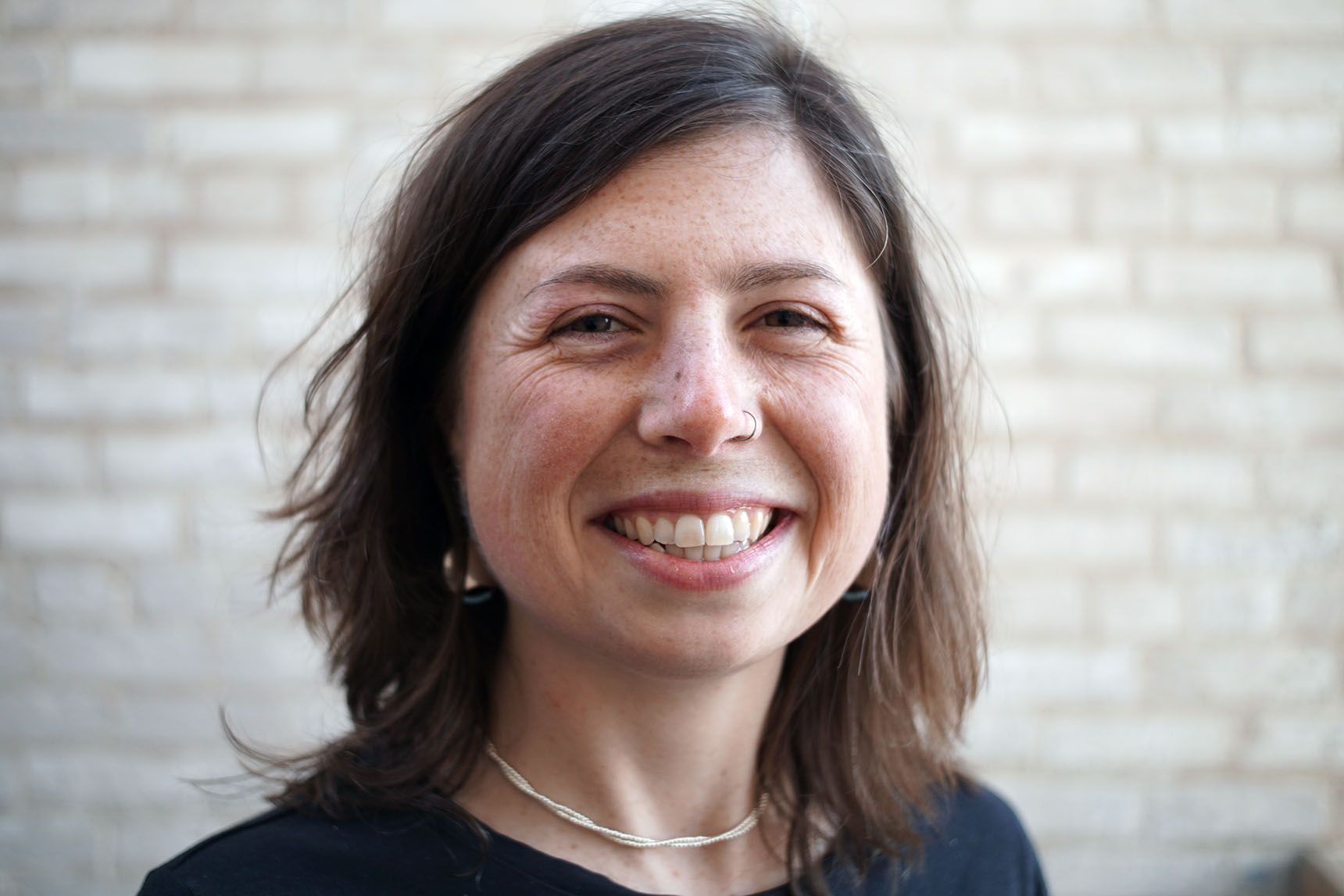
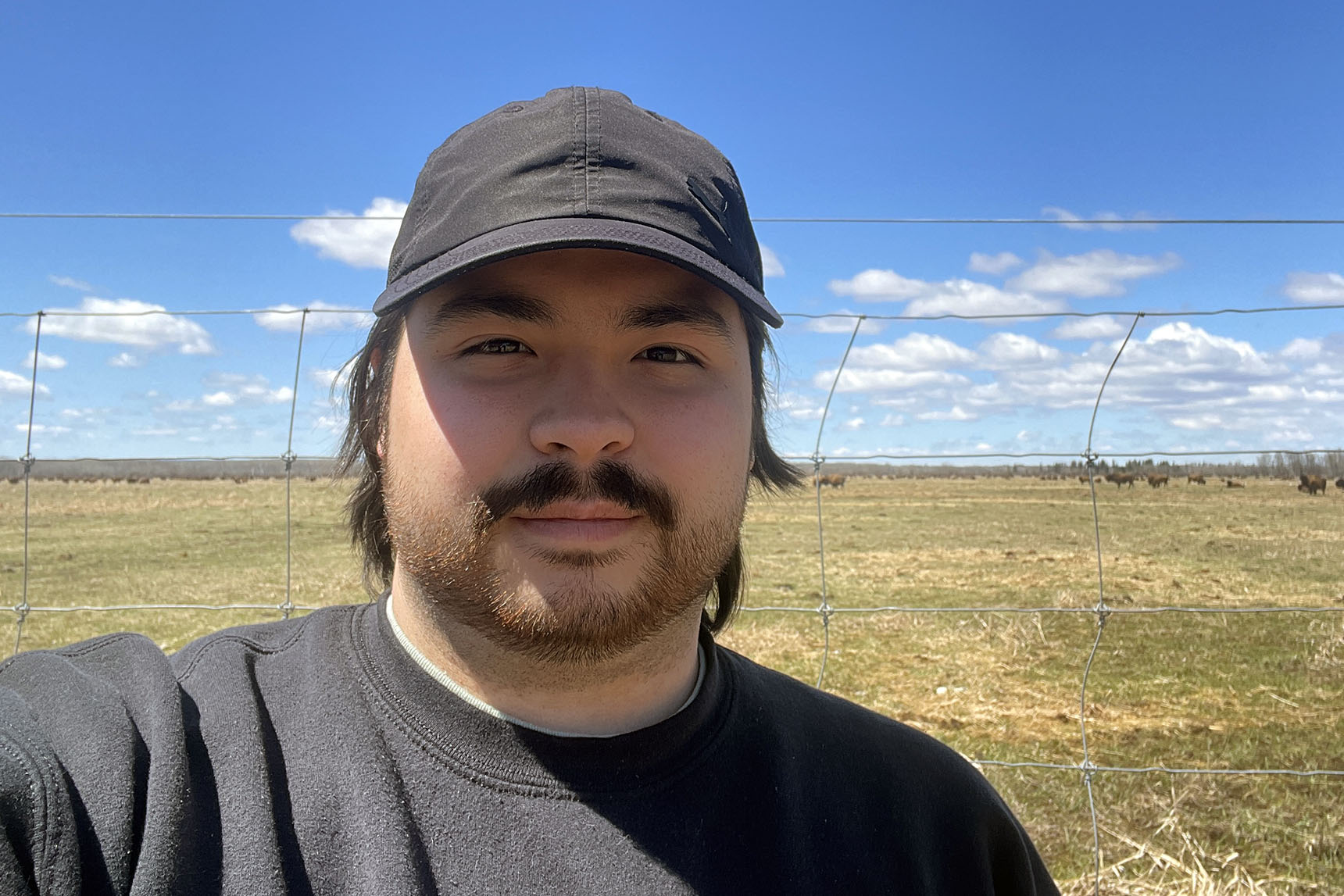
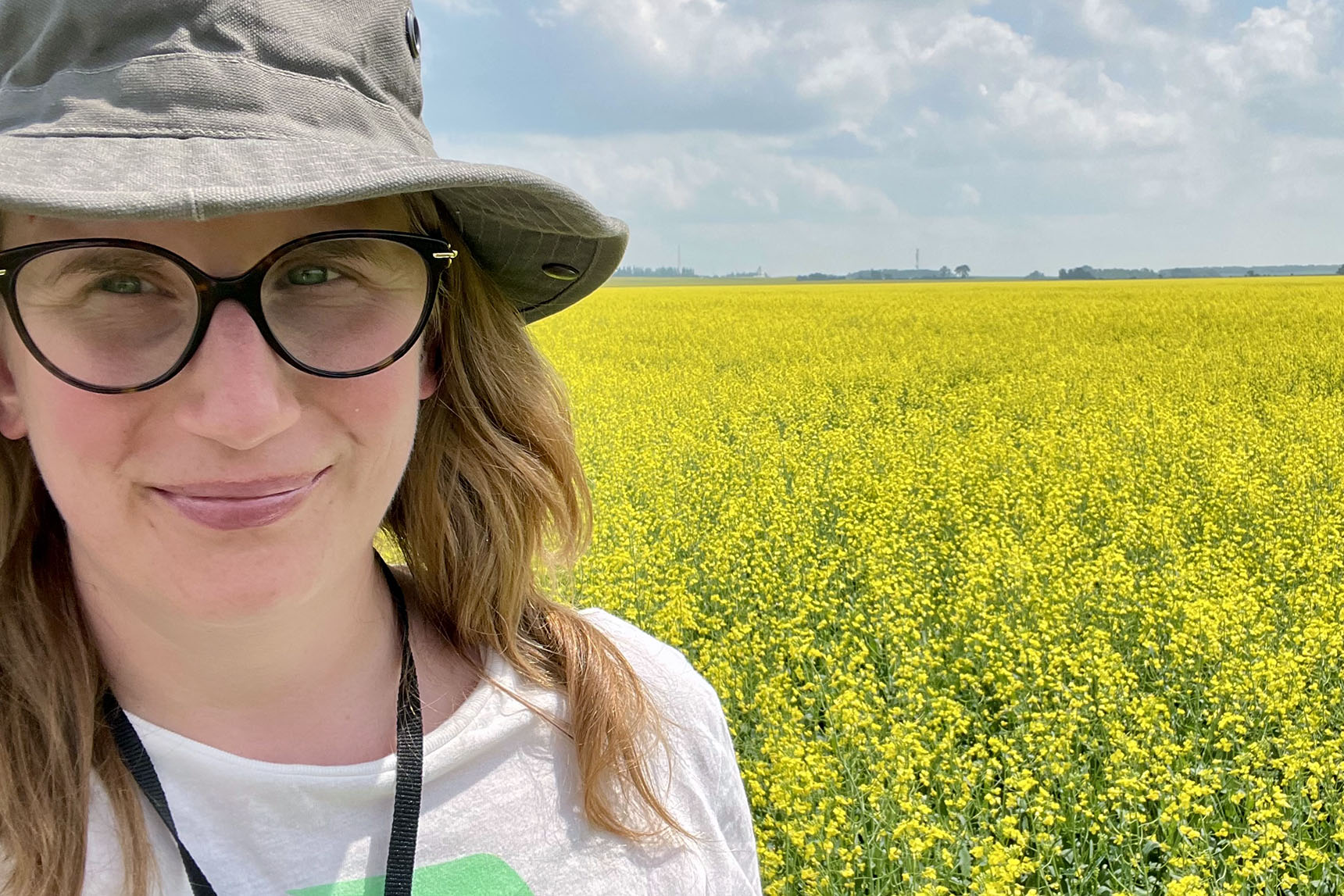
Eleven students in the RBC Scholars program
Estimated Read Time:
10 minutes
Estimated Read Time:
10 minutes

Planting the seeds of change

Meet the 2026 RBC Scholars in Sustainable Agriculture

The RBC Scholars in Sustainable Agriculture program has been made possible by a generous gift by RBC given to Canadian post-secondary institutions to help build the talent pool needed for a net-zero economy as a nationwide climate-change strategy

Since spring of 2024, undergraduate and graduate students have been working with Faculty researchers on low-emission agriculture and food systems research.

Meet the 2026 scholars:

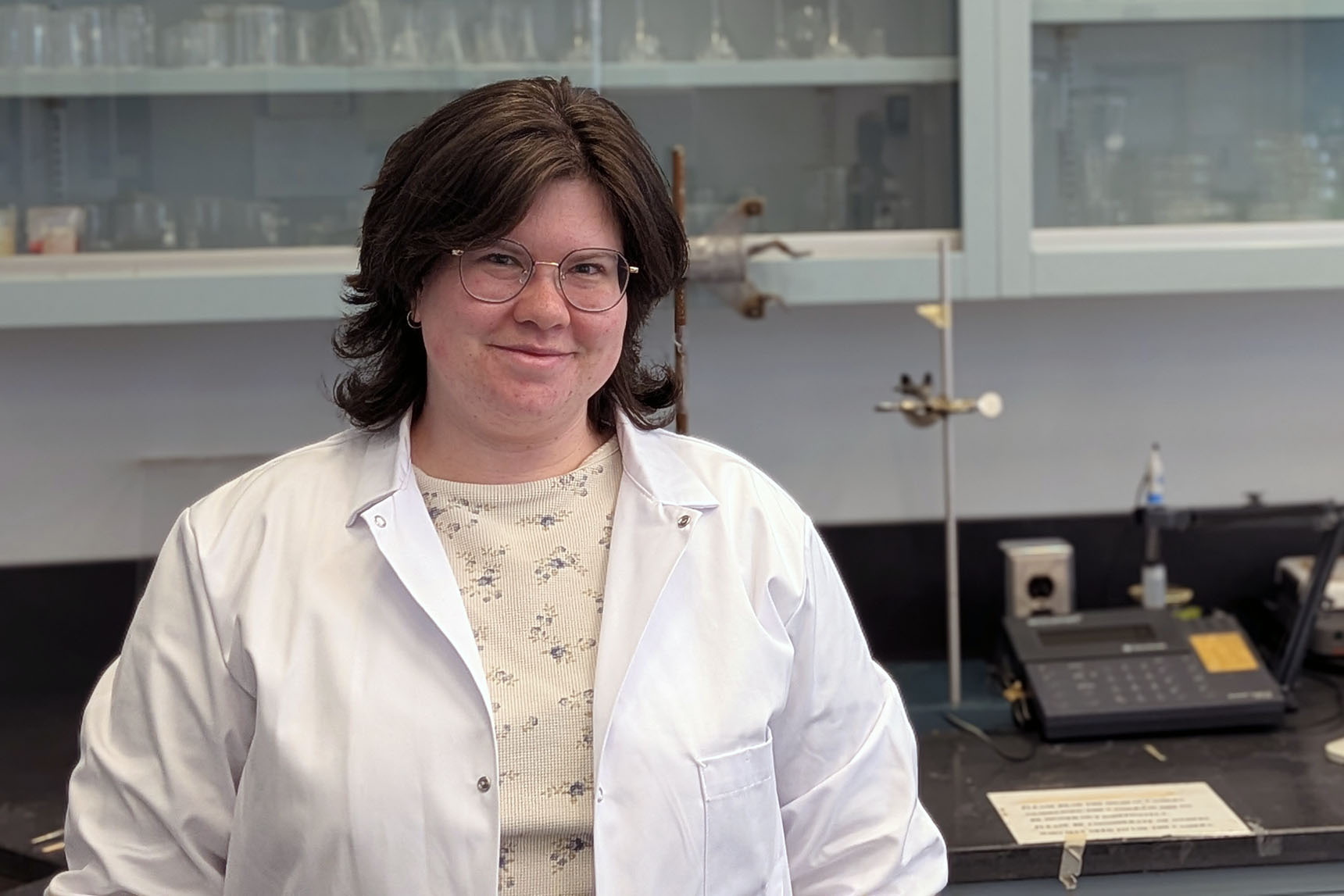
2026 RBC Scholar - Sophia Andrusco


Sophia Andrusco

BSc in Biological Science
Winnipeg, Manitoba

Over the past year, I have been working in entomology and learning about beneficial insects in agriculture. When I saw this program, it felt like a perfect blend of my interests and an opportunity to contribute to an important and relevant cause. Sustainability is an interest I have had for many years. Using that interest, along with the support of amazing contributors in this program, gives me hope for the future of sustainable agriculture in this changing world.

This summer, I will be researching the direct and indirect effects of predators on reducing flea beetle damage in canola plants. I will use pitfall traps to collect representative predator species and use microcosms to observe behaviours, along with a camera for both diurnal and nocturnal observation.

I am very grateful to be a part of this program and want to thank the RBC Scholar Program for this wonderful opportunity.


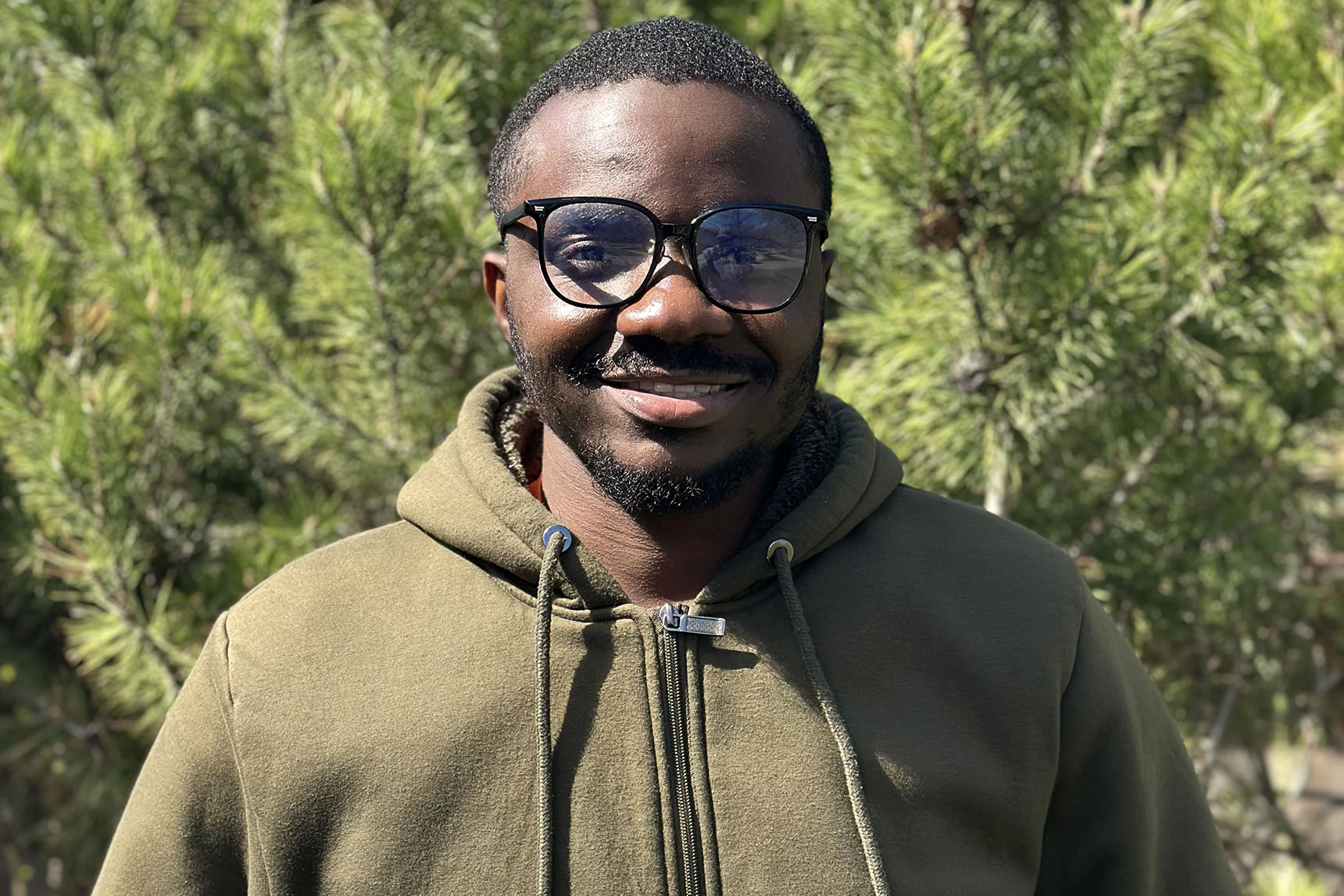
2026 RBC scholar Dhinesh Thillai Chid


Dhinesh Thillai Chidambaram

BSc in Animal Systems
Hyderabad, India

My interest in this program stemmed from the challenges faced by my generation, which is how to create food systems that are highly productive yet environmentally responsible. For me, sustainability isn't just an abstract concept; it means coming up with viable solutions that allow us to create a balance where agricultural practices benefit both people and the planet.

This summer, I'm involved in a research project on poultry immunity, and I'm designing my own protocol to track how healthy omega-3 fatty acids deposit in eggs. I will share the insights through podcasts and research events. I’ll also be working on three years of MEF Research and Learning Centre, laying hen farm data to compare how different housing systems impact egg production, efficiency, and animal welfare. I will use a specialized tool called NESTT to map out the facility's environmental footprint and explore how we can adapt it into a learning resource for other students.

I want to express how honored I am for this opportunity, and to say thank you to everyone who made it possible. I owe a special thanks to Dr. Anna Rogiewicz for her constant guidance and mentorship throughout my undergraduate journey. This program is a massive first step for my career, and I am excited about making a meaningful contribution to the team this summer!


2026 RBC Scholar Madeline DuBois


Madeline DuBois

MSc Soil Science
Poolville, NY, USA

I was drawn to this program because I want to contribute to developing agricultural practices that are beneficial for both people and the land, and I was excited about this opportunity to be part of a community of people who are also dedicated to that work. To me, a sustainable agricultural system is one that mimics the functions of a natural ecosystem and can produce food in a way that does not harm the land or reduce the resources available for future generations.

Understanding the drivers of phosphorus (P) loss from snowmelt, which contributes to eutrophication of waterways and loss of an invaluable non-renewable resource, is the goal of my research. To do this, I will be measuring P in soil and vegetation on farmers’ fields to determine the contributions of soil characteristics, cropping systems, and management decisions to P loss to help inform guidelines for conserving this essential nutrient. I’ll also be investigating how to increase circularity in agriculture by testing how struvite, a P fertilizer derived from wastewater, compares to conventional forms of P fertilizer on a novel perennial grain crop being developed at the university.

I’m grateful for the opportunity to be part of this group of people working together to imagine new possibilities for more sustainable agricultural systems.


2026 RBC Scholar Guilherme Falsarella


Guilherme Falsarella

BSc in Agroecology
Vinhedo, Brazil

I have always been interested in ecology and all things related to natural ecosystems, but my current focus and passion lies in entomology. Sustainability through my eyes means understanding and acknowledging the ecological niches that we as humans fit into, and studying ways to live in harmony with our natural ecosystems.

Through my experience in the Faculty of Agricultural and Food Sciences, I have realized the importance of sustainability and I believe RBC gives me the best possible opportunity to grow and develop my skills in the field!

As part of my project, I will be assisting two graduate students, under the supervision of Dr. Jason Gibbs, with their projects looking at native pollinators and decomposer insects, and how they may be impacted by the re-introduction of bison in the prairies. My project for the summer will involve selecting bison-made wallows and setting up bee bowl traps to capture native bees and predatory wasps, as a way to observe whether wallows can provide nesting habitats for ground-nesting Hymenopterans.


2026 RBC Scholar Stephanie Hanis


Stephanie Hanis

MSc in Soil Science
Teulon, Manitoba

I had the great privilege of being an RBC Scholar while an undergraduate student last summer, when I began the field work for what would become my master’s thesis study. As the RBC Scholar program supported me in that work, it made great sense to continue participating as a graduate student. Overall, this program speaks to my goals of promoting sustainable agricultural practices to crop producers. Sustainability in agriculture accounts for the viability of the farm business and the land such that agricultural producers can continue feeding the world by using practices that work with the environment and their communities in order to meet their economic goals.

Over the next year, I am continuing my field-plot trials on organically managed forage stands and annual cropping stands, and then analyzing all of the data that comes out of this two-year study. Last year I applied struvite-enriched compost products to these experiments, which featured yard waste, household food waste, and cattle manure as compost feedstocks. Struvite – a renewable slow-release phosphorus fertilizer produced from human wastewater – has recently been approved for use in organic cropping systems in Canada, so the timing of this study is excellent. This year I am observing the residual effects of those enriched-compost applications, to see if the subsequent crops can be sustained as a potential consequence of improved phosphorus availability from the struvite.

I am incredibly grateful to the RBC Scholars program for continuing to support my research, and to Dr. Joanne Thiessen Martens for her ongoing support and for entrusting me to carry out this important work.


2026 RBC Scholar Stephane Le Heiget


Stephane Le Heiget

MSc in Biosystems Engineering
St. Claude, Manitoba

I grew up on a farm and have always had an interest in improving how technology is used on the farm so biosystems engineering was the natural choice for me. From my experience working on farms I have found that sustainability in agriculture is more than just soil and water conservation, it is reconsidering how and why farmers make the choices they do. For agriculture to continue on its path of sustainability we need to rethink what farming looks like, we need to be thinking "What will the farm look like in 5, 10, 50 or more years from now?", and that means every part of agriculture needs to be looked at, from the environment to the equipment to the on-farm economics.

My project is focused on using drones to predict the biomass and feed quality of forage crops, such as alfalfa, in the field. Forage crops are a key source of affordable protein and fiber for livestock, but it is challenging for farmers to measure the feed quality of the crop before harvest. This means that farmers are not able to control the quality of the feed they provide their livestock which adds extra challenges to their management. By using drones equipped with multispectral cameras we can predict the feed quality and biomass of forage crops before farmers harvest which allows for them to overcome this challenge.


2026 RBC Scholar Willow Lulashnyk


Willow Lulashnyk

BSc in Agroecology, Minor in Entomology
Winnipeg, Manitoba

I have always been passionate about sustainability in various aspects in my life. The RBC Scholars program sounded like a great way to pursue my interests and engage in research related to my field of study. Sustainable agriculture is about learning and implementing practices that protect the environment and biodiversity while ensuring we can produce enough food and resources for our population and future generations.

This summer I am working in Dr. Nuria Morfin's Honeybee Lab. I will be conducting research on honeybee nutrition that focuses on the impact of certain feed additives effect on the health of a hive, with the goals of reducing hive mortality, minimizing the presence of disease, and increasing honey and product yields.

I am very appreciative for this opportunity to be an RBC Scholar, to be involved in research that will contribute to the field, meet and connect with many talented individuals, pursue work in a field I am passionate about, and to share the knowledge I am gaining!


Uche Nwankwo - 2026 RBC Scholar


Uche Nwankwo

PhD, Biosystems Engineering
Winnipeg, Manitoba

Global food insecurity is not a hoax nor is food insecurity in Canada a myth, even amid abundant natural resources. The need for improved food production to address rural and urban food insecurity challenges is a noble task and requires critical research and resource commitments. The RBC program provides me with a unique opportunity to contribute my two cents to food security improvement.

For me, sustainability in agriculture implies continuing commitment to creative innovation channeled to meeting current nutritional and agro industrial needs accountably and responsibly without limiting opportunities for future generations to meet the same opportunities responsibly.

This summer, I am continuing community engagement in the First Nations communities where I will be conducting my research. I am involved in organizing an aeroponic vegetables and fruits cultivation system workshop training in Sagkeeng First Nation, working collaboratively with colleagues and staff of the Sagkeeng School Authority. The project is to contribute to Indigenous food sovereignty and promote STEM learning among students. I am also working on getting the materials for my pilot project at the Glenlea Research Station and in the Indigenous communities.

In addition, I will continue handing out free vegetable seedlings to students, staff, and community members through the initiative I started three years ago which is know as “Promoting Urban/School Gardening for Food Security, Mental Health Improvement and Community Integration”. Apart from giving out free seedlings, this initiative is acting as an outreach activity for the University of Manitoba and the Faculty of Agricultural and Food Sciences. I will also be donating free seedlings and supporting the Sagkeeng High School to improve their greenhouse.

I am delighted and grateful for the opportunity to be among the recipients of this prestigious RBC award. I am looking forward to networking with other recipients and the coordinators of this program. I hope to benefit from the resources and activities offered through the program.

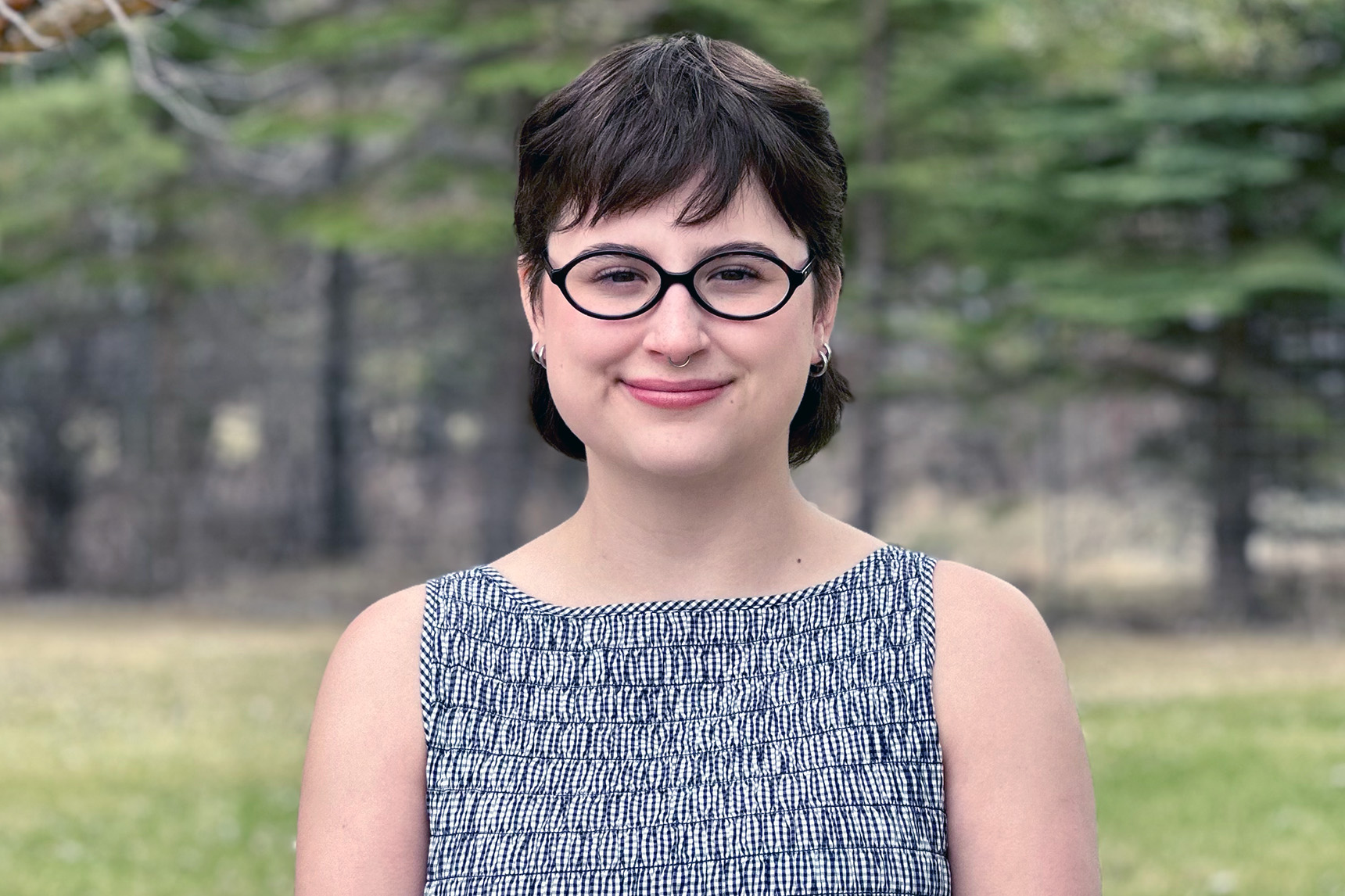
2026 RBC Scholar Tali Riman


Tali Riman

BSc in Microbiology
Winnipeg, Manitoba

Agriculture is something that impacts every single person, and I think its future is incredibly important, which is what drew me to this program. I was excited by the opportunity to learn more about sustainability through hands-on research and explore how agriculture can continue evolving in ways that support both people and the environment. To me, sustainability in agriculture means finding a balance between productivity and caring for the land so future generations can continue to rely on it.

This summer, I will be conducting research at the Glenlea Research Station focused on how different grazing strategies influence soil microbial communities and greenhouse gas emissions within cropping systems. The project examines how integrating livestock into agricultural systems can impact soil health, sustainability, and long-term ecosystem function under different management practices. My work will focus on analyzing soil microbial communities and greenhouse gas dynamics within green manure systems. Through this research, I hope to better understand how agricultural practices can influence the long-term health and resilience of soil systems.


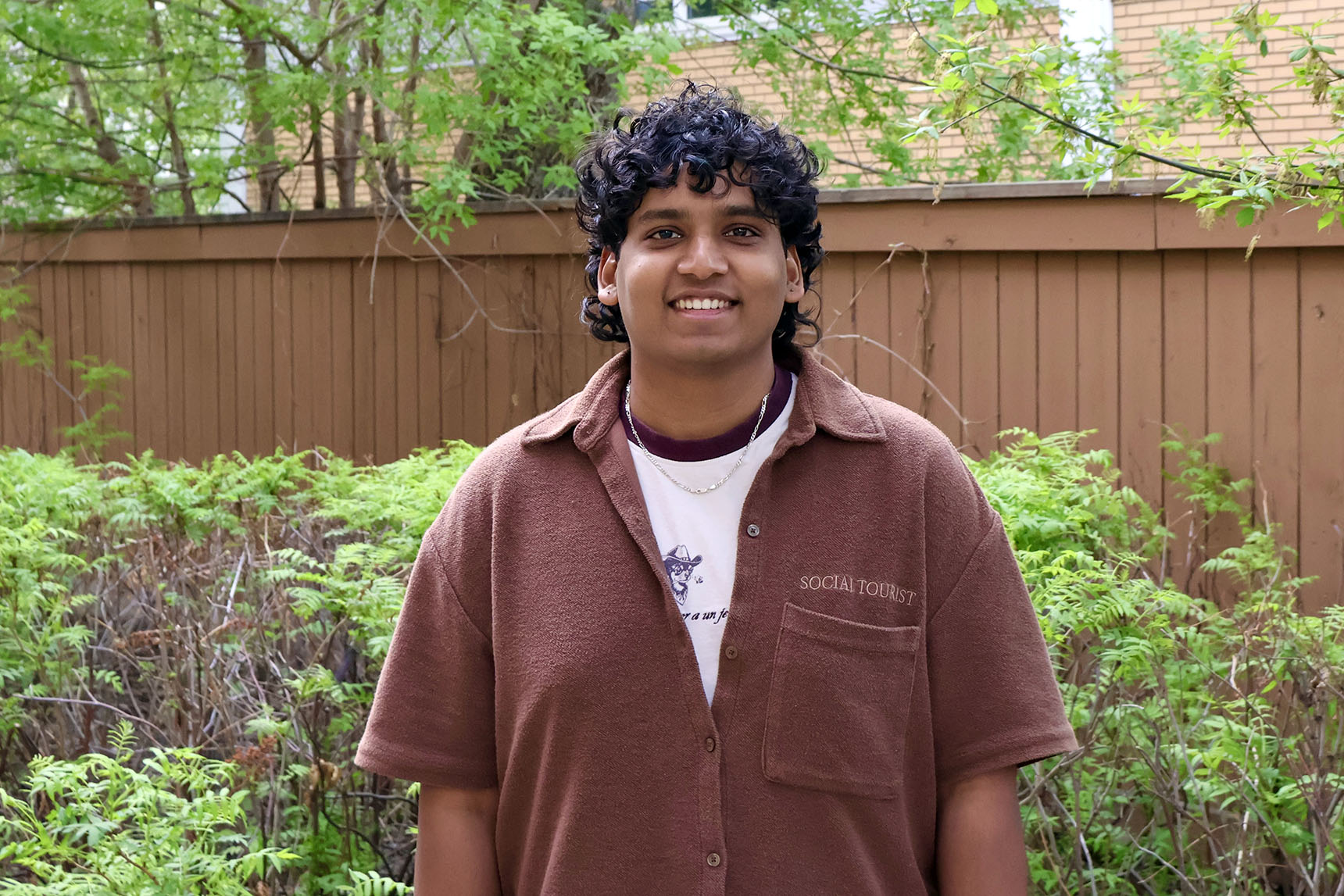
2026 RBC Scholar Sam Rouire


Sam Rouire

MSc in Animal Science
Winnipeg, Manitoba

I was drawn to the RBC Scholars program because of its focus on using innovation to build a strong, adaptable Canadian food system and its opportunities to interact directly with dairy producers. To me, sustainability in agriculture means moving away from a "one-size-fits-all" approach and instead utilizing continuous, individual animal data for precision management, with the goal of improving longevity for Canadian livestock.

Over the next year, my research will focus on utilizing streams of pre-recorded data generated by automatic milking systems to develop and train machine learning models that aid in determining cow-specific optimal breeding timing. Data from the Glenlea Research Station as well as 178 other Canadian dairy farms will be processed and cleaned to fit this purpose. These datasets include critical milk production and composition variables such as milk yield, fat and protein percentages, alongside health indicators such as somatic cell counts and fat-to-protein-ratios. This information will be used to establish a precise eligibility criteria and train predictive AI models, with the ultimate goal of building a user-friendly decision support tool to help Canadian dairy farmers make optimal breeding decisions and improve cow longevity.

I am incredibly grateful for the opportunities that the RBC Scholars program will present, providing a unique platform to collaborate directly with industry specialists and translate my research into real-world solutions.


2026 RBC Scholar Simon Chidera Ugwoke


Simon Chidera Ugwoke

PhD in Animal Science
Enugu, Nigeria

I grew up in a household where most of the food was homegrown, and animal manure from our livestock was used as fertilizer. This shaped my early understanding of agriculture as a circular system where waste from one process becomes an input for another. I am drawn to this program because of its focus on innovation and value addition. To me, sustainability in agriculture means creating systems that recover value from waste, transforming underutilized resources into productive inputs and functional outputs.

This summer, I will be starting my initial experimental work by preparing the protocols and materials for my project on end-of-lay hen valorization. This project's primary aim is to add value to this underutilized resource while reducing waste and improving environmental efficiency in the Canadian egg industry.

I would like to thank Dr. Argenis Rodas-Gonzalez, the Faculty of Agricultural and Food Sciences, and RBC for the opportunity and support.

Want to learn more?  Interesting in applying for next season? Visit the RBC Scholars page.

Boilerplate: Empowering Learners

At UM, we encourage life-long curiosity while providing tools – inside and outside the classroom – to succeed in a rapidly changing world. Empowering learners is one of the strategic themes you’ll find in MomentUM: Leading change together, the University of Manitoba’s 2024–2029 strategic plan.