UM scientists take aim at human papillomavirus to stop cervical cancer
Researchers will test aspirin and hormone replacement therapy
Estimated Read Time:
3 minutes
The research team will test aspirin as a treatment for human papillomavirus.
By
Matthew Kruchak
Studies show that the inflammation of the female genital tract in postmenopausal women places them at an increased risk of human papillomavirus (HPV) persistence, which is a risk factor for developing cervical cancer.
“When there’s inflammation in the genital tract, that’s an environment that HPV thrives and persists in. So, if we can decrease that level of inflammation, then the body can clear HPV, which happens naturally,” said Dr. Keith Fowke, department head and professor of medical microbiology and infectious diseases, Max Rady College of Medicine, Rady Faculty of Health Sciences.
Fowke is leading a multidisciplinary team working on ways to fight human papillomavirus in older women to prevent cervical cancer.
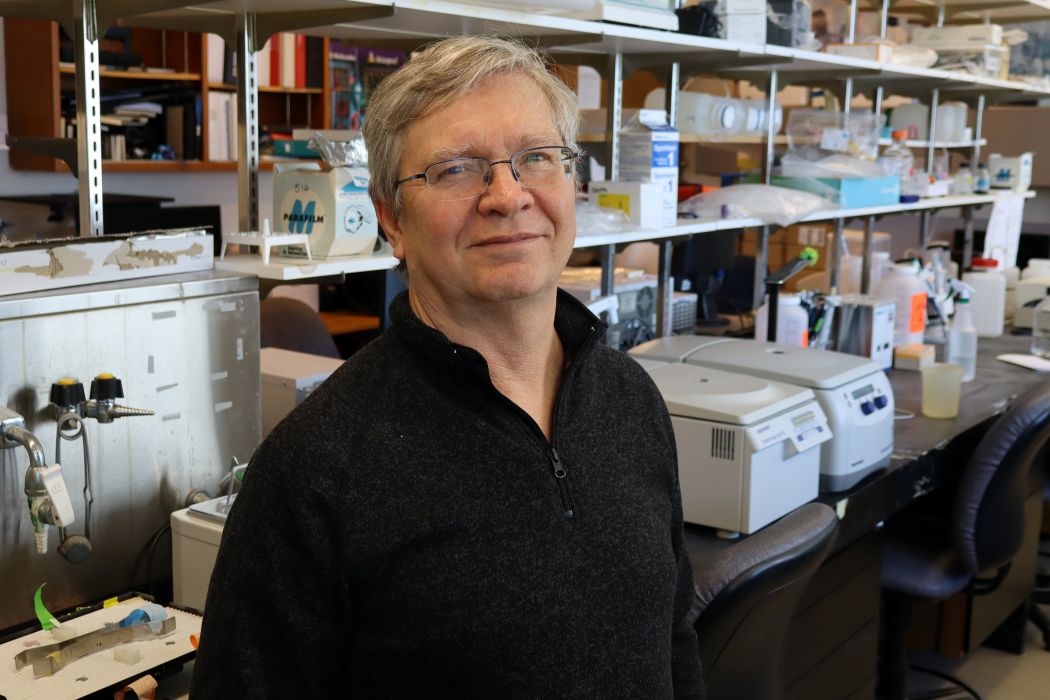
Dr. Keith Fowke
The first step is to decrease inflammation of the genital tract and the team will test aspirin and hormone replacement therapy.
The project, which recently received $2 million over five years from the Canadian Institutes of Health Research, will test the treatments by enrolling perimenopausal and postmenopausal women from the Sex Worker Outreach Program (SWOP) in Nairobi, Kenya. Fowke is collaborating on the project with Dr. Joshua Kimani, SWOP’s physician in charge, and Joyce Adhiambo, a SWOP peer leader.
Reducing inflammation with products on the market
Dr. Julie Lajoie, who holds the Francis A. Plummer Professorship in Global Infectious Diseases and is assistant professor of medical microbiology and infectious diseases, said that aspirin could be a good tool for reducing inflammation because of its anti-inflammatory properties and hormone replacement therapy (a topical estrogen cream) is a treatment that many women are already using to relieve symptoms of menopause.
“We are trying to use treatments that already exist and are already approved that we know are safe. So, if it were to work, then launching a big clinical trial is a lot faster because it’s already on the market,” said Lajoie, who is co-lead on the study.
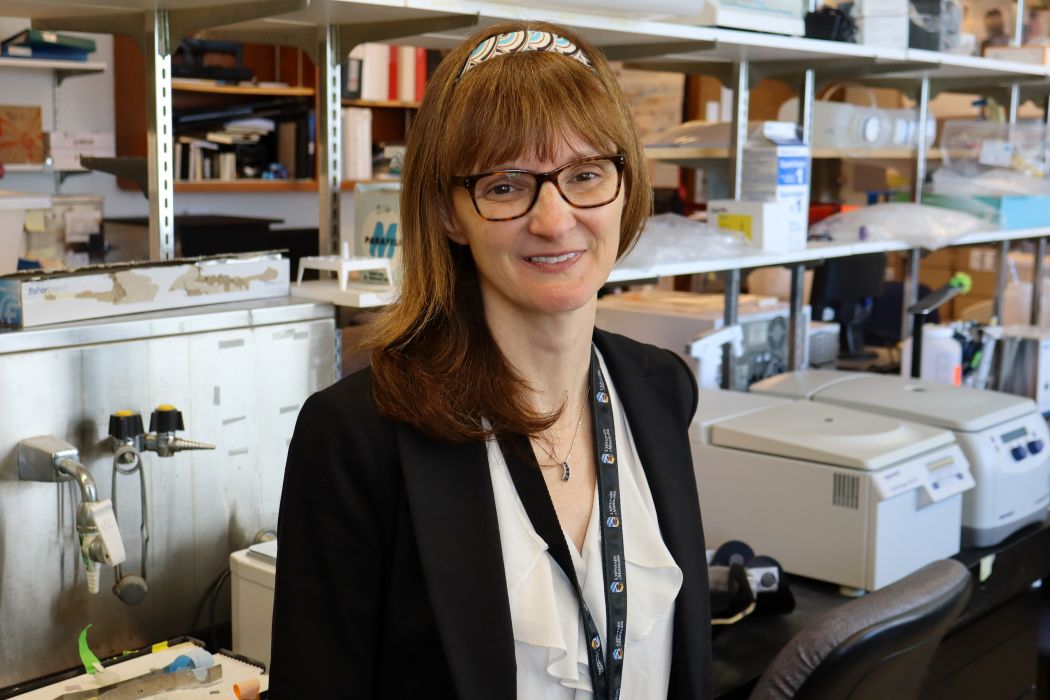
Dr. Julie Lajoie
Lajoie said it’s important to find a treatment because cervical cancer is the fastest-rising cancer in Canadian women.
“Women’s immune response during menopause is not as good at fighting infection, and once infected with the HPV virus, the body seems unable to fight it as much,” Lajoie said.
“The idea is if we can do something to remove the inflammation, then the immune system can come back and fight like it’s supposed to do.”
A win for women’s health research
Fowke said he hopes this study will lead to a reduction in cervical cancer rates.
“There’s an HPV vaccine, which is great, and young women in Canada now get it. But it is not available or affordable everywhere in the world, including in Kenya. So, I think finding an intervention for women that can happen later in life if they don’t receive the HPV vaccine is really important,” he said.
Fowke said that in 2024, 60 per cent of those eligible in Kenya received the first dose of the HPV vaccination and only 38 per cent finished both doses. He said the country is moving to a single dose regiment which should help.
"However, in parts of the county, vaccination rates are well below 50 per cent, so there are regional differences in availability and uptake," Fowke said.
Lajoie said that not only are they looking to prevent cervical cancer, but they are aiming to learn more about women’s health.
“It’s an understudied area of research, and we need more investment in it. All the information we will collect about menopause is going to change in how we see women’s health. So, I think that is already a success,” Lajoie said.
Project collaborators also include Max Rady College of Medicine faculty Dr. Alon Altman, professor of obstetrics, gynecology and reproductive sciences; Dr. Mark Nachtigal, professor of biochemistry and medical genetics; and, medical microbiology and infectious diseases faculty members, Dr. Lyle McKinnon and Dr. Aida Sivro.
Learn more about the research taking place at the Max Rady College of Medicine.
Boilerplate: Research
For nearly 150 years, UM has transformed lives through groundbreaking research and homegrown innovation. We push the boundaries of knowledge and do the hard work here in Manitoba to move our community and the world forward. With a spirit of determination and discovery, we are shaping a better future for our province and beyond.