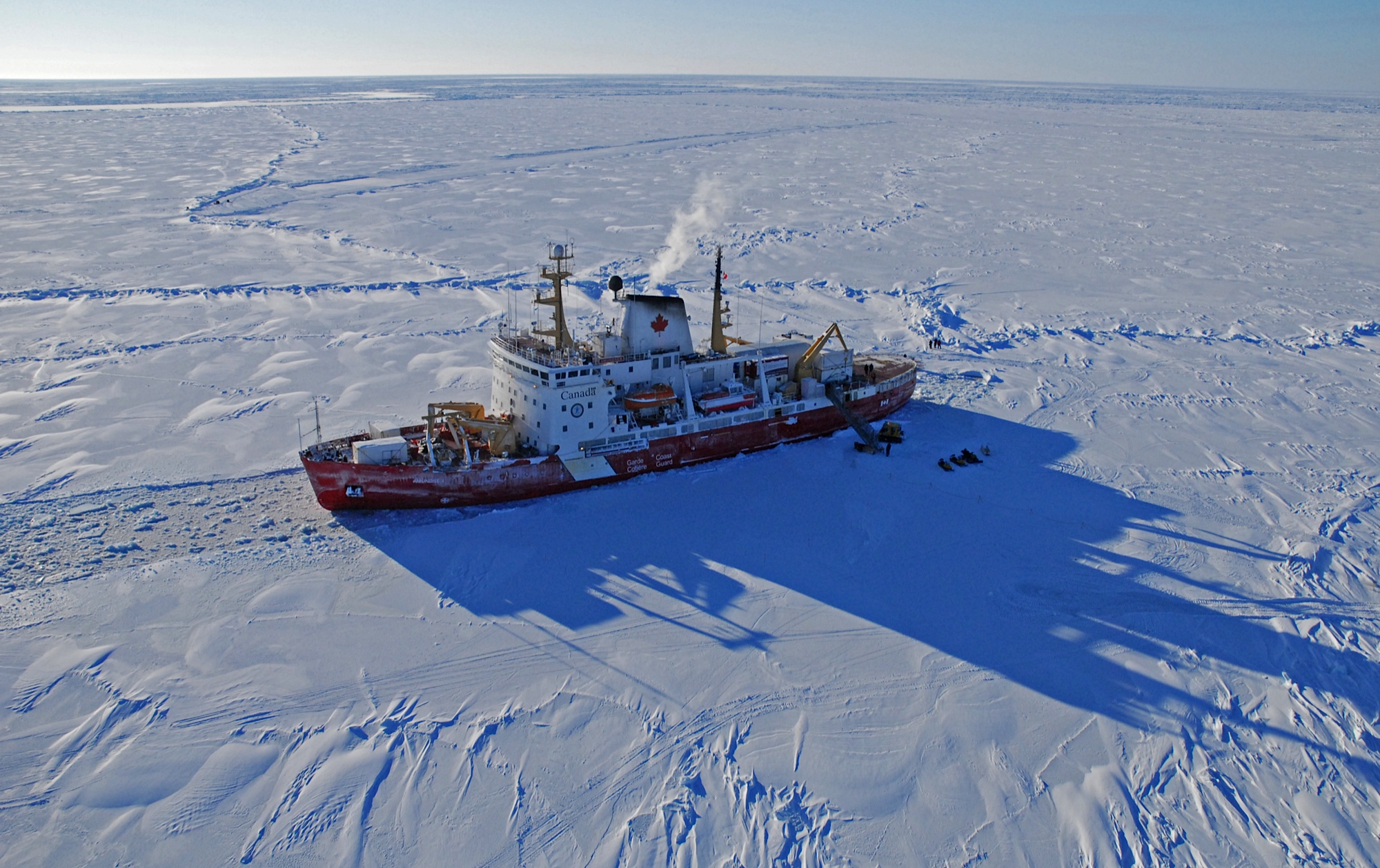
The University of Manitoba (UM) and the Arctic Research Foundation (ARF) are launching the next phase of a January 2026 feasibility study. It will explore the deployment of ice breaker ice tugs and research vessels to support year-round shipping, with a specialized research initiative that will analyze the feasibility of using icebreakers to extend operational seasons at the Port of Churchill.
“Extending the Port of Churchill’s operating season could be a game changer for the Arctic, but only if done in an environmentally responsible way — and with the full support and leadership of Indigenous Arctic communities,” said Tom Henheffer, ARF CEO. “This study will examine the impacts of using icebreakers to cross the frozen waters of Hudson Bay and Hudson strait, ensuring rightsholders and decision makers have the data they need to build a prosperous Arctic future.”
Led by environmental scientist Feiyue Wang, Canada Research Chair in Arctic Environmental Chemistry and Director of the Churchill Marine Observatory, researchers from UM’s Centre for Earth Observation Science will analyze sea-ice, weather, climate, and ecosystem data to help determine realistic navigation windows under different operational scenarios that could also protect the environment and ecosystem.
“This study is about understanding the feasibility of extended shipping seasons through Port of Churchill and how increased shipping activity in Arctic waters can be managed responsibly,” said Wang. “Our goal is to ensure any future growth is guided by rigorous science and long-term environmental sustainability.”
The UM/ARF study will receive $188,000 of the $750,000 The Government of Canada and the Manitoba government have committed to evidence-based assessment of sea-ice, weather and climate conditions in the Hudson Bay and the feasibility of extending the navigational window for shipping from the Port of Churchill out to the Atlantic Ocean.
“The Port of Churchill has real potential to help Canada ship more of our goods to the world and make our supply chains stronger, especially in the North. Supporting the Arctic Research Foundation’s icebreaking feasibility study will help us understand how the port could operate for more of the year, creating new economic opportunities for northern and Indigenous communities, supporting good local jobs, and opening the door to new international markets,” says The Honourable Steven MacKinnon, Minister of Transport and Leader of the Government in the House of Commons. “By investing in our major infrastructure, we’re positioning Canada to remain competitive in a changing global environment.”
The stakes are high. Wang says over the past four decades, Hudson Bay has warmed by approximately 1°C, with the most pronounced changes occurring in the northwestern part of the bay, precisely where shipping routes to Nunavut and the Labrador Sea pass through.
“As global instability grows, the world needs Canada more than ever,” said Chris Avery, President & CEO, Arctic Gateway Group, an Indigenous-and community-owned Manitoba company that owns and operates the Port of Churchill and the Hudson Bay Railway. “Our allies are looking for stable, reliable partners, and expanding trade through the Port of Churchill is an important way we can step up. More trade through the Port of Churchill will diversify our national supply chains and get more Western Canadian resources to the world, while also advancing Indigenous reconciliation and increasing Canada’s security in the North.”
The UM team will use a suite of state-of-the-art scientific methods to analyze historical and projected sea ice conditions, including satellite records of sea ice concentration and thickness, high-resolution regional ice-ocean prediction systems, POLARIS (Polar Operational Limit Assessment Risk Indexing System), which translates ice conditions into risk values for different ship classes, as well as climate model projections under both moderate and high greenhouse gas emission scenarios. The UM team will also analyze existing environmental data to identify ecologically sensitive periods and areas and implications for routing, timing, and vessel operations.
“Our government's investment in this feasibility study will help guide us as we open up economic opportunities with the Port of Churchill and ensure we balance them with environmental protection and the interests of Northern and Indigenous communities,” says Lisa Naylor, Minister of Transportation and Infrastructure. “The study will help explore long‑term opportunities for trade, transportation, and northern economic growth, while ensuring decisions are guided by rigorous science and sustainability.”
The findings will serve as the scientific foundation to guide future community- and field-based programs to support decision-making on Northern trade, tourism, and environmental protection. This study is happening in tandem with various other scientific studies, with the goal of sustainable development in Canada’s north. It began in March 2026, and a final report will be submitted to partners by February 2027.