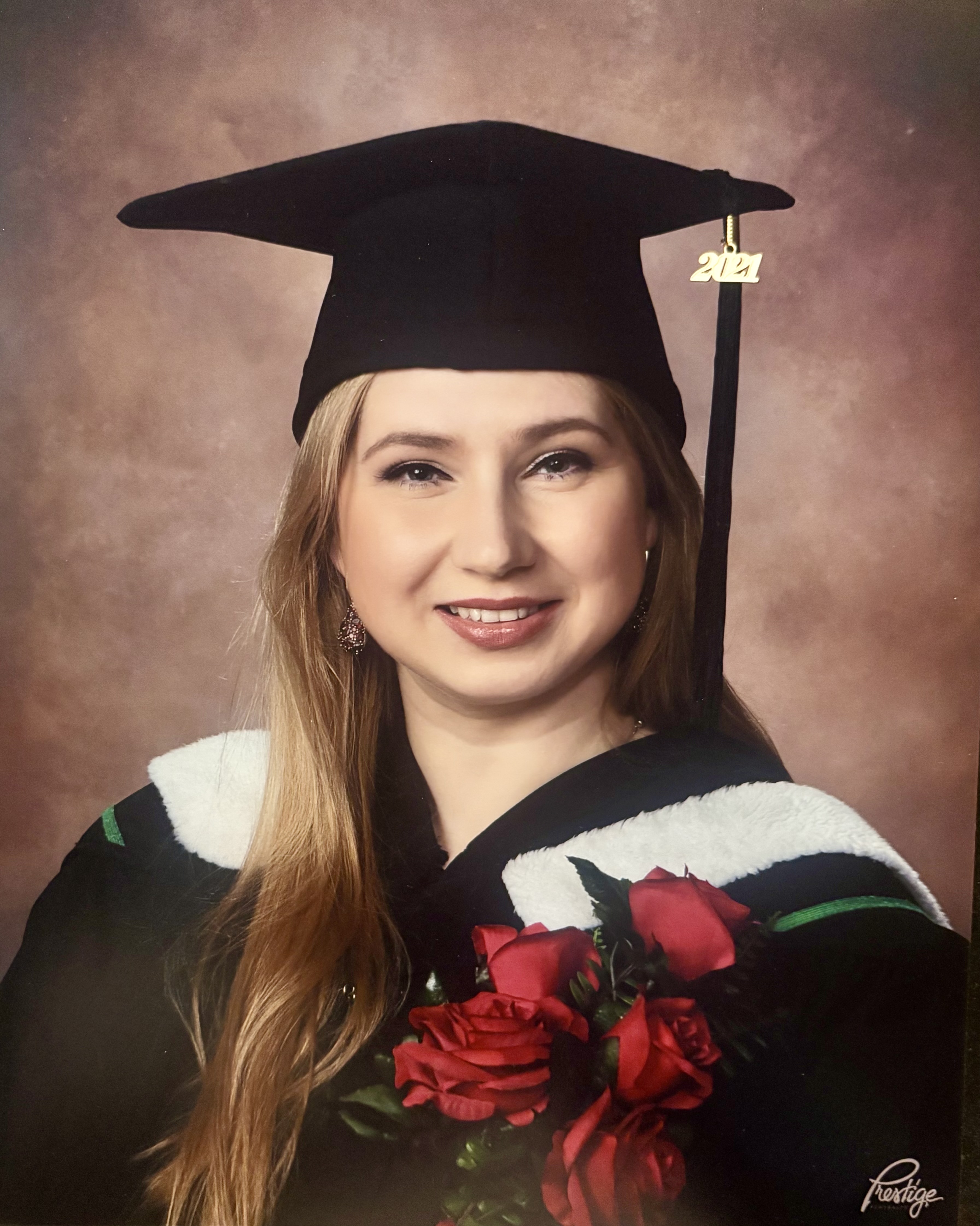
Donor-funded bursary supports student parents through medical school
UM donors and faculty like Dr. John Embil help an evolving demographic of medical students reach their potential
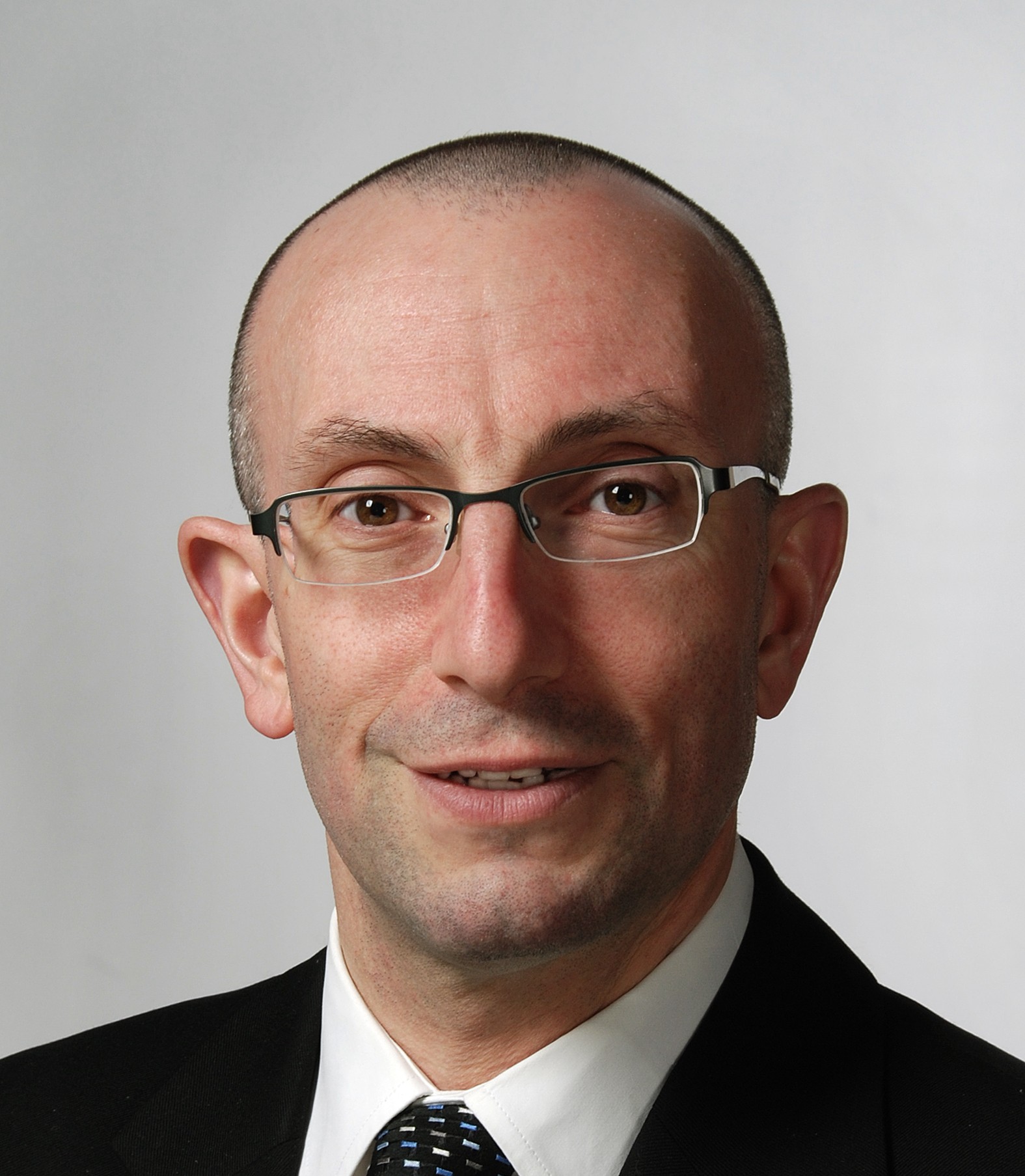
Medical students work hard. This is something that Dr. John Embil knows to be true. He knows it because he’s lived it!
Embil completed his undergraduate medical studies at Dalhousie University in Halifax followed by a rotating internship. These five years served as a foundation for what was to come at the University of Manitoba (UM) teaching hospitals where he completed a four-year Internal Medicine residency followed by a two-year Infectious Diseases fellowship and an additional year of research in Infectious Diseases at UM.
He jokes that he finished high school in 1981 and didn’t actually get a real job until 1997 when he became a faculty member of the Max Rady College of Medicine (Rady Faculty of Health Sciences) at UM.
Embil knows how hard medical students work today because he is still living it, working with medical students every day. He is a Professor at the Max Rady College of Medicine and the Director of Undergraduate Medical Research Programs, which includes the Bachelor of Science (Medicine) and One Summer Research Programs. He also interacts with medical students and residents when they are on the clinical teaching units at the Health Sciences Centre.
And this is part of what inspired him to establish bursaries and awards for medical students at UM.
“The demographics of the medical student have changed,” he says. “Mature students, students who come with a previous career where one day they’re earning a living and the next day they’re studying—suddenly their job is to be a student.”
Last year, Embil and his family established an endowment fund to support students who are parents, particularly single parents. The goal of the Embil Family Bursary for Parents with Children is to lessen the financial burden of a career that requires years of training with little to no income.
For Embil and his family, each opportunity to give back grows from a personal connection.
“We’ve tried to tie the funds that we've created to some aspect of our lives, because if we've experienced it, someone else will be experiencing it as well,” he says.
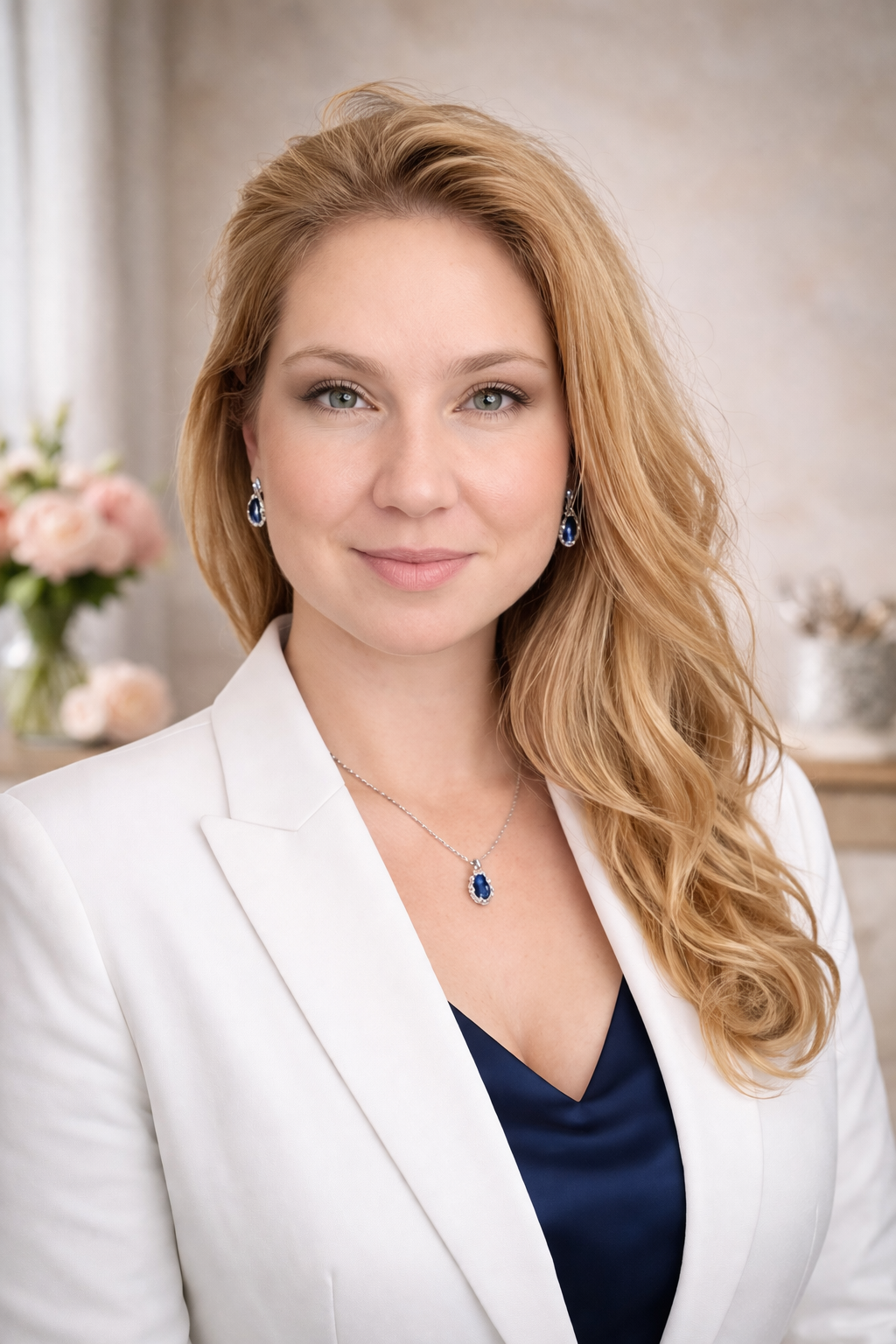
Maryana Kutuzova also knows from experience how hard medical students work, and she knew it even before she began her studies at the Max Rady College of Medicine.
Already a trained physician in Russia, Kutuzova and her family came to Canada in 2016. She had plans to earn her certification to work here. Five days after they arrived, she learned that her family was about to grow by one.
Juggling family and navigating options for international physicians, it became clear to her that education would be the best way forward—although certainly not the easiest. Kutuzova completed her bachelor’s and master’s degrees while applying for and later being admitted to medical school.
Last year, she became the first recipient of the Embil Family Bursary for Parents with Children. With a thirteen- and eight-year-old at home, Kutuzova has a special insight into how parenting adds new challenges to medical training—she has been in medical school without and now with children.
The money from the bursary matters, she explains. It helps ease the day-to-day and month-to-month finances. But the bursary also means more than just room in the family budget.
“It represents not only financial assistance, but also encouragement and trust that students like me can succeed and give back to the community,” she says.
“When you are working hard for something, and somebody who could spend this money in any other way decides that they will use it to support students, it feels so motivational and encouraging.”
Like the Embils, Kutuzova wants to make a difference. She sees herself as a surgeon and has dreams of opening a clinic to support patients with diabetes holistically.
She also wants to raise independent, curious children, who can see both of their parents working toward something bigger—Kutuzova’s husband is also a student, completing his PhD in Physics and Astronomy at UM.
Balancing career and family priorities involves continuous time management, communication and prioritization. (Though noise-cancelling headphones, the ambient noise of a Tim Horton’s and car study sessions in between drop-offs also help).
Fueling these motivations involves the support of an entire community—donors, family, professors, friends, fellow students and colleagues. Donors like the Embil family recognize that students like Kutuzova are working toward something meaningful and are creating opportunities to ease the burden so that they can reach their goals and in turn help the broader community.
Since making their first gift in 1999 and establishing their first fund in 2010, Embil and his family have demonstrated a tireless commitment to supporting students at UM:
“As a medical student every day is challenging. Every day is an adventure, and every day is different,” he says.
And on a career path that changes and challenges, donors like Embil offer something invaluably consistent: support, belief and a commitment to student achievement.
What does a future fuelled by generosity look like? It’s in the faces of new graduates with big ideas, in bold research solutions for Manitoba and the world, and in community initiatives coming to life in collaborative ways. Here, a legacy of philanthropy is shaping the leaders, innovators and change-makers of tomorrow. Learn how you can get involved.
The Bisons Integrated Support Team brings a holistic approach to supporting student-athletes
From advocating for Indigenous Peoples at the UN to becoming Chief of her First Nation, this law student remains unstoppable.
Student exhibit examines health and social issues
Indigenous Student Recruitment strives to deliver support in a ‘good way’.