
Estimated Read Time:
5 minutes
Estimated Read Time:
5 minutes
UM researchers are part of a series of studies and reports examining how the Port of Churchill could be a key player in shoring up Canada’s sovereignty and boosting Manitoba’s economy in the future.
"Increased shipping through the Port of Churchill and Hudson Bay has the potential to bring enormous socioeconomic prosperity to the region and across Canada,” says Feiyue Wang, Professor and Canada Research Chair, Department of Environment and Geography, UM Centre for Earth Observation Science (CEOS), and Director of the Churchill Marine Observatory.
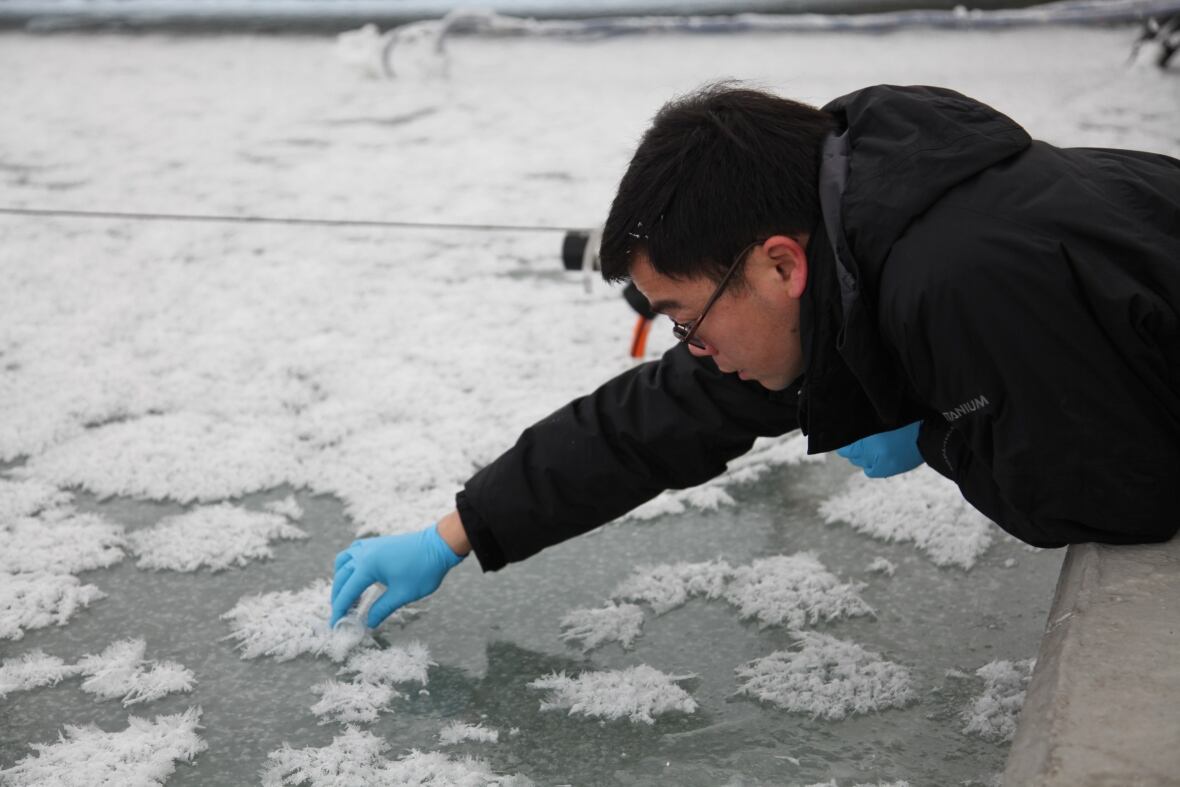
Wang is co-lead of a study in review for publication in the scientific journal, The Cryosphere, looking at the feasibility of an increased shipping season from the Port of Churchill. It reveals shipping seasons could become significantly longer and continue to expand as global temperatures rise.
The study analyzed maritime routes connecting the Port of Churchill to the Labrador Sea and global shipping lanes, as well as to northern communities in the Kivalliq region including Arviat, Whale Cove (Tikirarjuaq), Rankin Inlet (Kangiqliniq), and Chesterfield Inlet (Igluligaarjuk).
Drawing on historical observations and future climate projections from the 1980s through 2099, researchers found that navigable periods along both routes increased by approximately four weeks since the 1980s.
"Historically, open-water vessels could generally operate for about 3.5 to 4 months each year during the 1980s. Today, shipping seasons have expanded to approximately 4.5 to 5 months on average," says Alex Crawford, lead researcher on the study and Assistant Professor, Department of Environment and Geography and CEOS. "If the global average temperature by end of the century rises to 3°C, it's reasonable to believe the navigability between the Port of Churchill and the Labrador Sea could reach roughly 215 days or about seven months per year."
Annual variability is expected to remain substantial. In the future, navigable periods could increase further by approximately 14 days on the Churchill-Labrador Sea route and 19 days on the Churchill-Chesterfield Inlet route for every 0.5 °C of global warming.
The route could be navigable for as much as 10 months per year if the global average temperature rises to 5°C by the end of the century. But those predictions are not as certain given the variability among models.
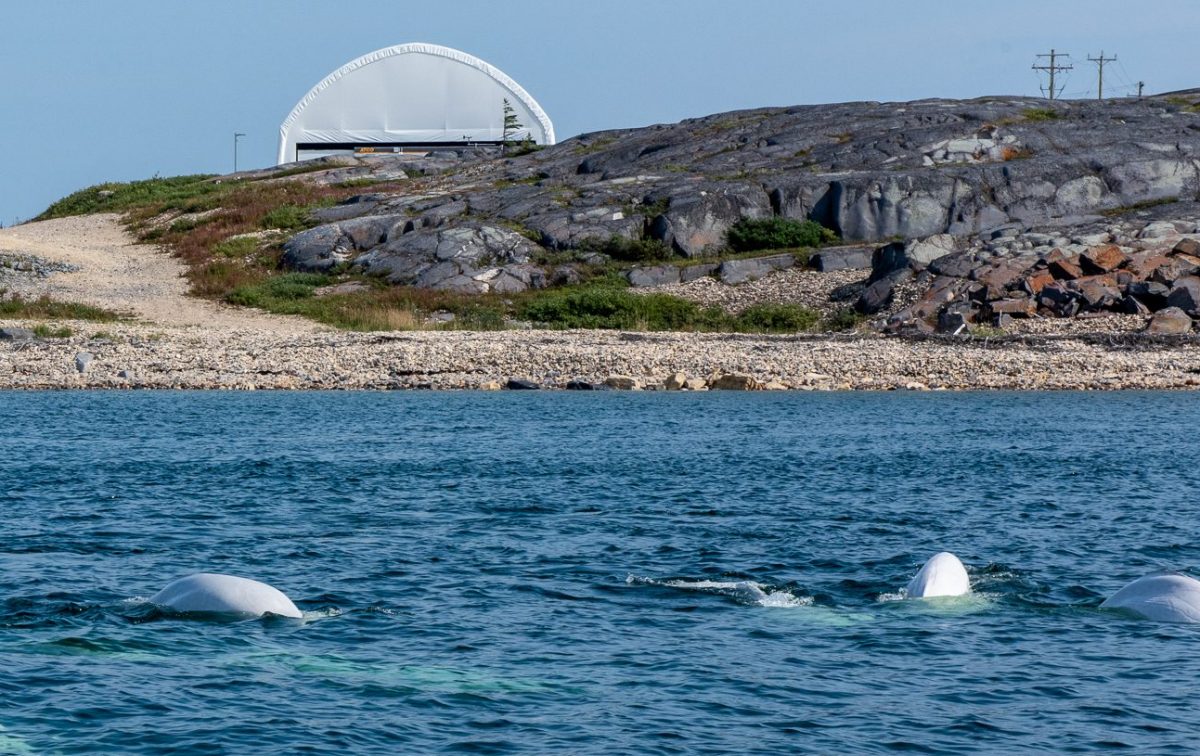
While days where ships can pass easily on these two routes may increase, researchers note that year-round navigation would still require ice-strengthened vessels.
“This year is already showing what is possible through Churchill, with the return of grain, shipments of zinc and potash and continued northern resupply we are seeing the most diversified shipping season in the Port’s history," says Mike Spence, AGG Board Chair and Mayor Churchill.
"The opportunity now is to build on that momentum," says Spence. "With the right investments in the Port, a modern industrial-weight Hudson Bay Railway connected more strongly to Canada’s Class I network, and year-round marine access, Churchill can become a truly year-round multimodal trade corridor connecting northern and western Canada to global markets.”
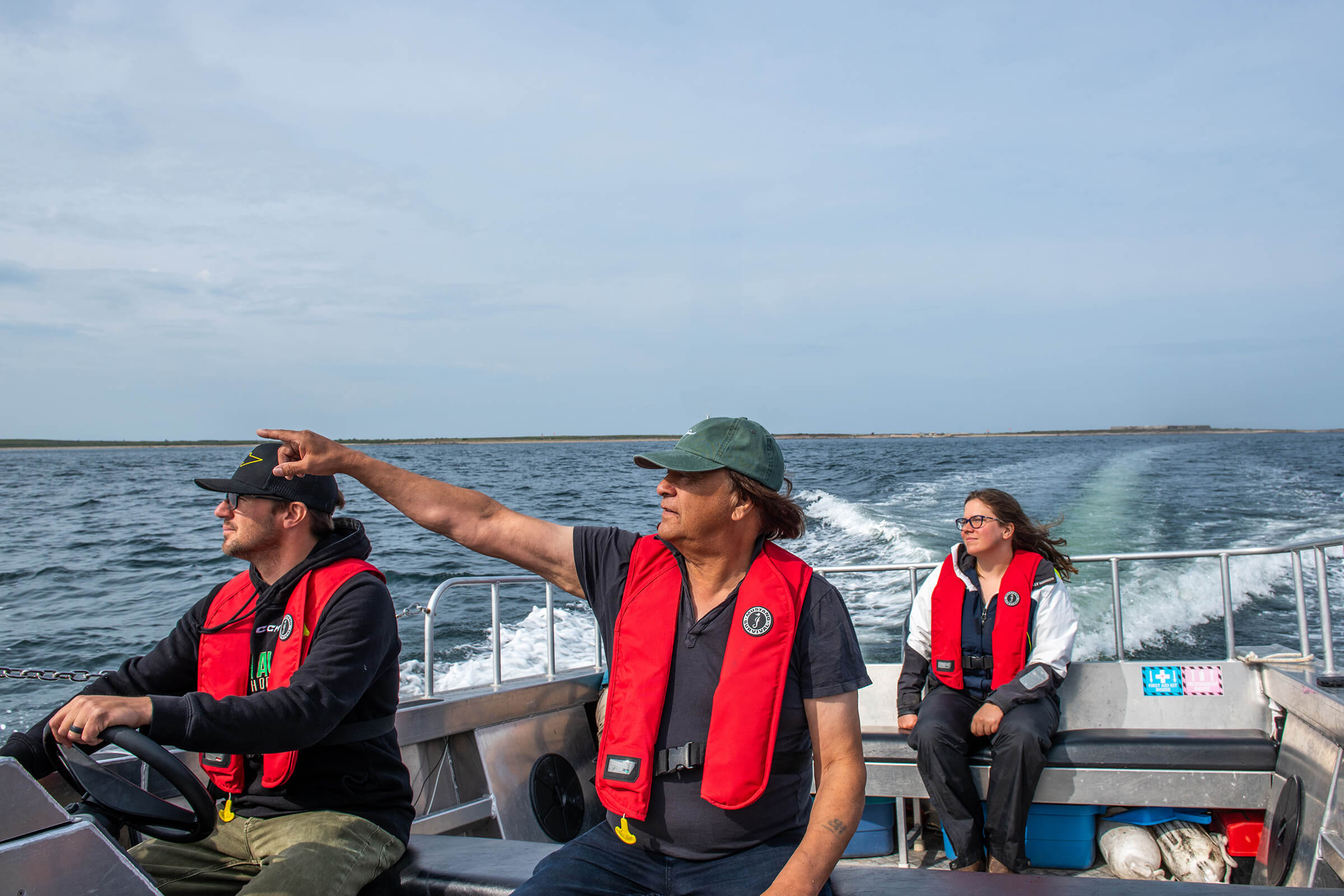
By examining both historical trends and future projections, the study provides valuable information for transportation planning, northern resupply operations, infrastructure development, and long-term decision-making related to Arctic marine transportation.
“Research like this helps us better understand the opportunities and challenges facing Canada’s North as our climate changes,” says Eleanor Olszewski, Honourable Minister of Emergency Management and Community Resilience and Minister responsible for Prairies Economic Development Canada (PrairiesCan).
“The Port of Churchill has the potential to strengthen Canada’s trade and transportation corridors, create new economic opportunities for Prairie industries and northern communities, and improve access to global markets," says Olszewski. "Our government is proud to support research that helps inform smart, long-term investments in infrastructure and economic development in Northern Manitoba.”
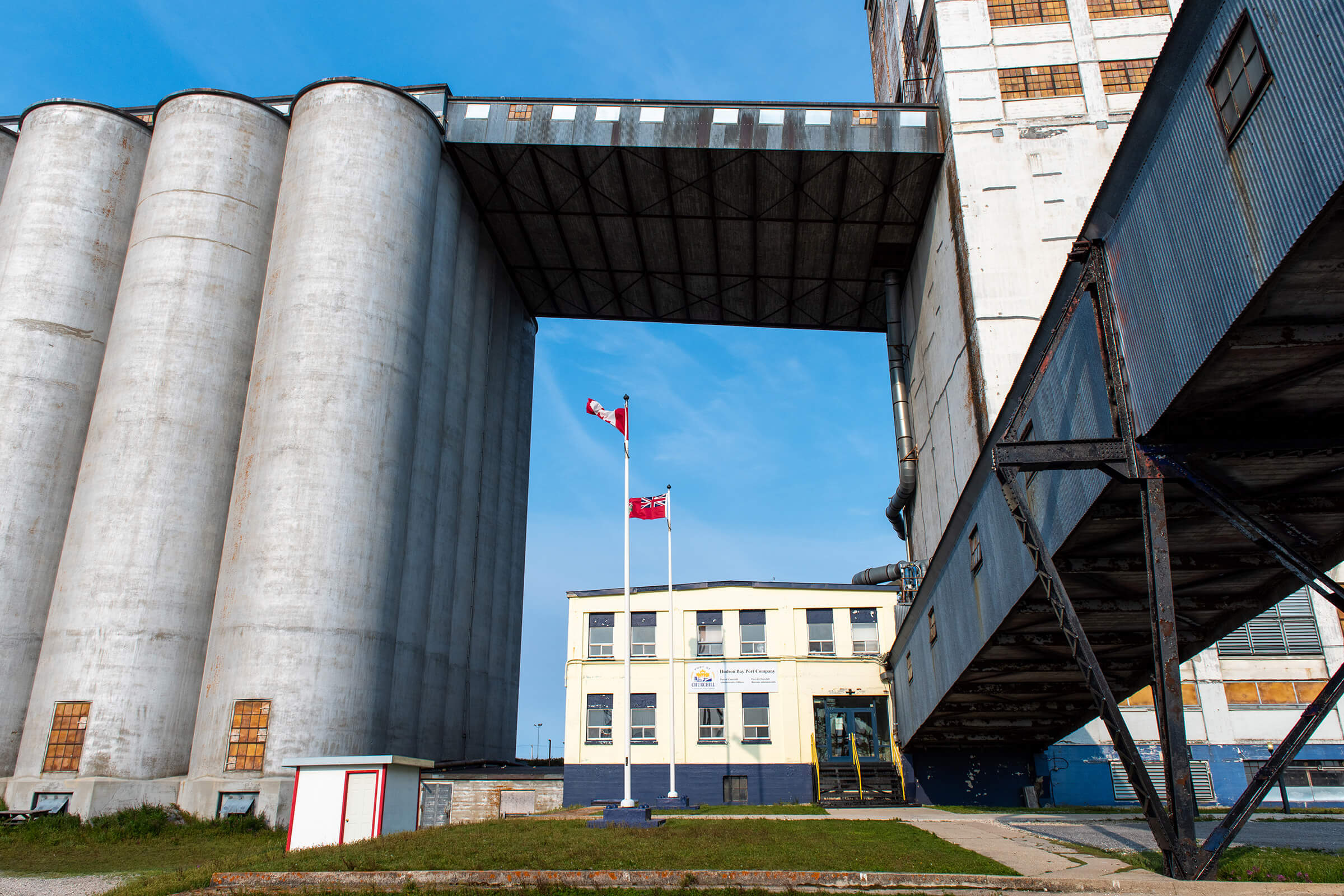
Wang, Crawford, and their CEOS colleagues are continuing their work on another in-depth study around what types of ice-strengthened vessels will be needed for year-round navigation through the Port of Churchill and Hudson Bay. That study is part of an icebreaking feasibility study led by the Arctic Research Foundation and expected to be completed later this year.
“This breakthrough means we can stop asking if year-round shipping from Churchill is possible and start building the infrastructure and attracting the investment we need to get it done," says Manitoba Premier, Wab Kinew. "Now is the time for industry, investors and governments in Canada and around the world to invest in Churchill so we can build new trading partnerships that are fair and mutually beneficial while we decrease our reliance on the US.”
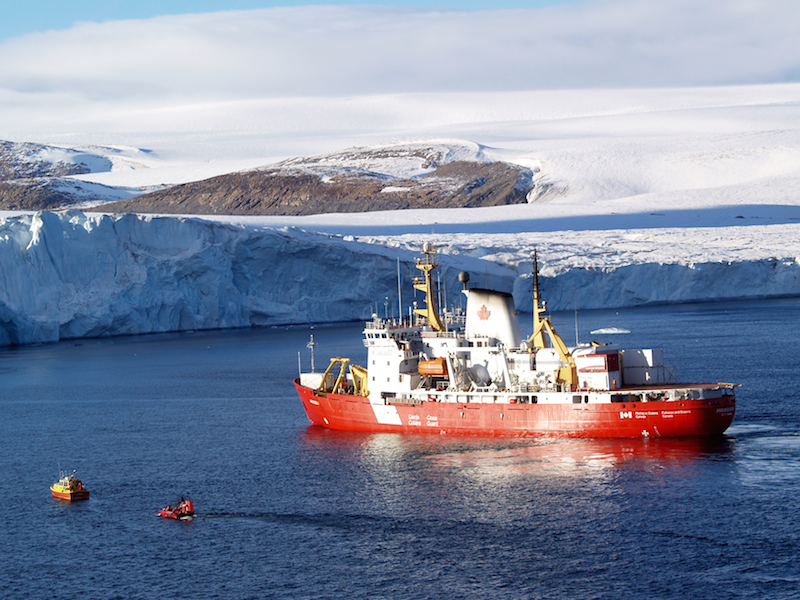
In the meantime, Wang sees the urgency in carrying out research on environmental impacts of increased shipping.
“For true economic prosperity to happen, further studies are urgently needed to understand, reduce, and mitigate environmental impacts associated with increased shipping, especially the impacts on marine mammals," says Wang.
UM researchers at the Churchill Marine Observatory near the Port of Churchill are uniquely positioned and ready to take on those challenges to support responsible and sustainable development of marine shipping through Churchill and Hudson Bay.
“As the Member of Parliament for Churchill—Keewatinook Aski, I know how important the Port of Churchill is to northern Manitoba, the Kivalliq region, and to Canada,” says Rebecca Chartrand, Minister of Northern and Arctic Affairs and Minister responsible for the Canadian Northern Economic Development Agency.
“This research gives us a clearer picture of how changing sea ice conditions could shape the future of shipping through the Port and the opportunities that may come, including the potential for stronger and more reliable and frequent connections to the North," says Chartrand. "As we plan for the future, northern and Indigenous communities need to be part of the decisions and help shape what comes next. A stronger Port of Churchill can create lasting opportunities for the North while also strengthening Canada’s economy, trade and transportation connections.”
Funding for this research was supported by Prairies Economic Development Canada (Prairies Can), the Manitoba government, and Arctic Gateway Group (AGG).
You can read more on parallel studies on the Province of Manitoba webpage.
For nearly 150 years, UM has transformed lives through groundbreaking research and homegrown innovation. We push the boundaries of knowledge and do the hard work here in Manitoba to move our community and the world forward. With a spirit of determination and discovery, we are shaping a better future for our province and beyond.
Travelling with digital devices can introduce risks that many researchers may not fully consider.
Making space for education grounded in Indigenous knowledge systems.
Cybersecurity Month is a reminder to know where your data lives, how long to keep it and which approved tools to use.
Results mark progress on strategic research priorities

