Manitoba geoscientist receives international recognition

Jurassic geologist Ricardo Silva honoured with inaugural 50 under 50 award.

A man smiling.
Estimated Read Time:
3 minutes
Dr. Ricardo Silva, Department of Earth Science, Clayton H. Riddell Faculty of Environment, Earth, and Resources.
Estimated Read Time:
3 minutes
By

Davide Montebruno

Dr. Ricardo Silva in the Clayton H. Riddell Faculty of Environment, Earth, and Resources has received international recognition as an inaugural 50 under 50 Award geoscientist in North America. This new combined award from the Geological Society of America, the Geological Association of Canada and the Sociedad Geológica Mexicana is honouring impactful mid-career research across the continent. 

“This award recognizes years of work that my team and colleagues have done together, including professors and students at UM and partners at other institutions around the world,” says Silva. 

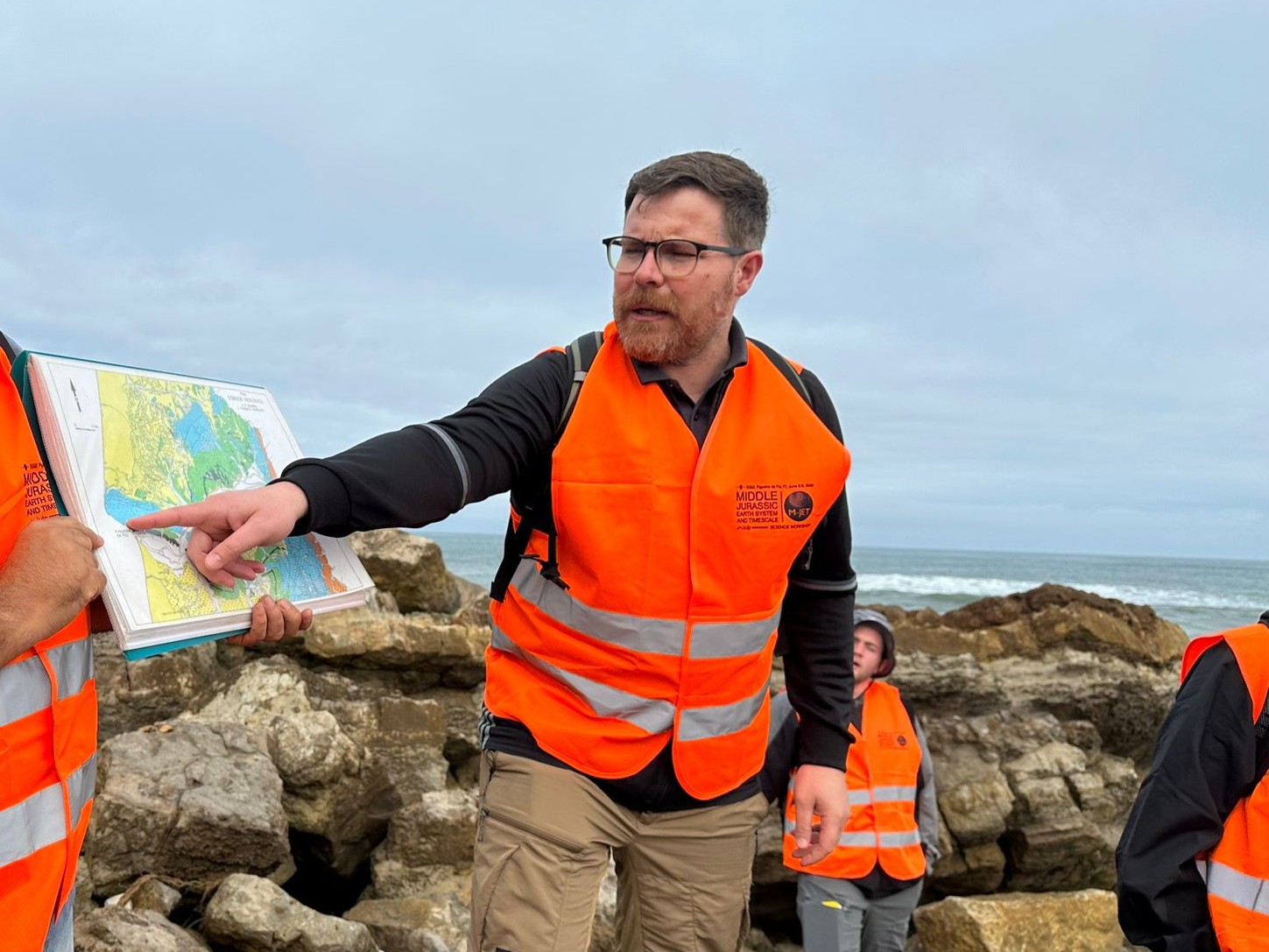
A man points at a map.
Dr. Ricardo Silva leads the way.
As a research community here in Manitoba, we have achieved this recognition together.

Dr. Ricardo Silva

Silva is recognized for leadership of Jurassic research and career contributions to the Geological Association of Canada, where he served as a counselor for many years. Student researchers in his UM program are contributors to a growing predictive model for the outcomes and impacts of global climate change.

Climate insights from the prehistoric past

Driven by a rise in CO2 and other greenhouse gases in our atmosphere, the impacts of climate change can be difficult to predict. Because there is no exact historical analogue for today's rapidly changing climate, Silva and his team are looking to Earth's geological past for periods that can reveal how climate, oceans and ecosystems respond to major environmental change.

An international program established by Silva in 2023 called the Middle Jurassic Earth System and Timescale (M-JET) is proving globally significant opportunities for research in Manitoba. 

“The geological record has never witnessed global change at the rates we’re producing today,” says Silva. “Instead, with M-JET we’re establishing a baseline from the Middle Jurassic time, a critical interval in the evolution of the continents, oceans and ecosystems we recognize today. This is the time that our modern systems began to emerge, and understanding global climate processes and outcomes in the past is helping us better understand our own time.”

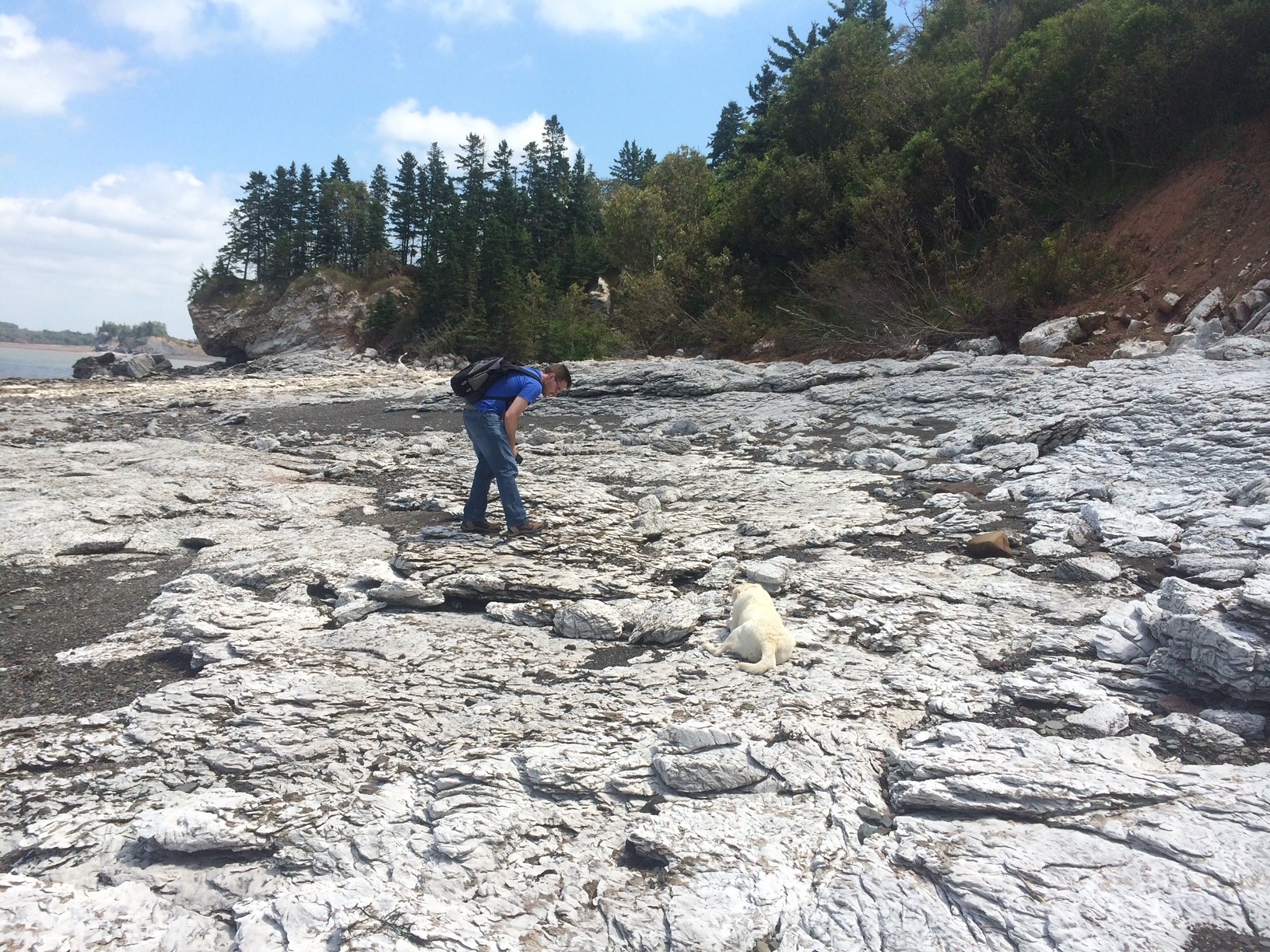
A man walks on a rocky shore.
Dr. Silva explores surface deposits in Northern Manitoba.

With funding from the International Continental Scientific Drilling Program, M-JET identifies globally excellent sites to conduct a wide variety of studies. Silva is also active with the International Continental Scientific Drilling Program as Chair of an informal group of experts working to establish a Canadian branch. 

“We have equipment here at UM for analyzing core samples which all Canadians could benefit from,” says Silva. “That’s what originally brought me to Manitoba, and I see an opportunity to expand our impact in wide ranging fields, from environmental studies to exploration for critical metals.”

Answers driven by the BETY Lab

Silva challenges students to view rocks as the outcomes of ancient experiments, providing four billion years of evidence to be decoded. Manitoba has many geological sites where Silva’s students are developing their graduate and post-graduate research programs to find parallels that can be applied in our modern day.

Muditha Goonetilleke is one such PhD student working to demystify the oceanic carbon cycle at the Basin, Environment and Stratigraphy (BETY) Lab. Conventional records provide only about 100 years of data for scientists in this field, but by unlocking the geohistorical record hidden in the rock, Muditha is building computer models representing tens of millions of years of change.

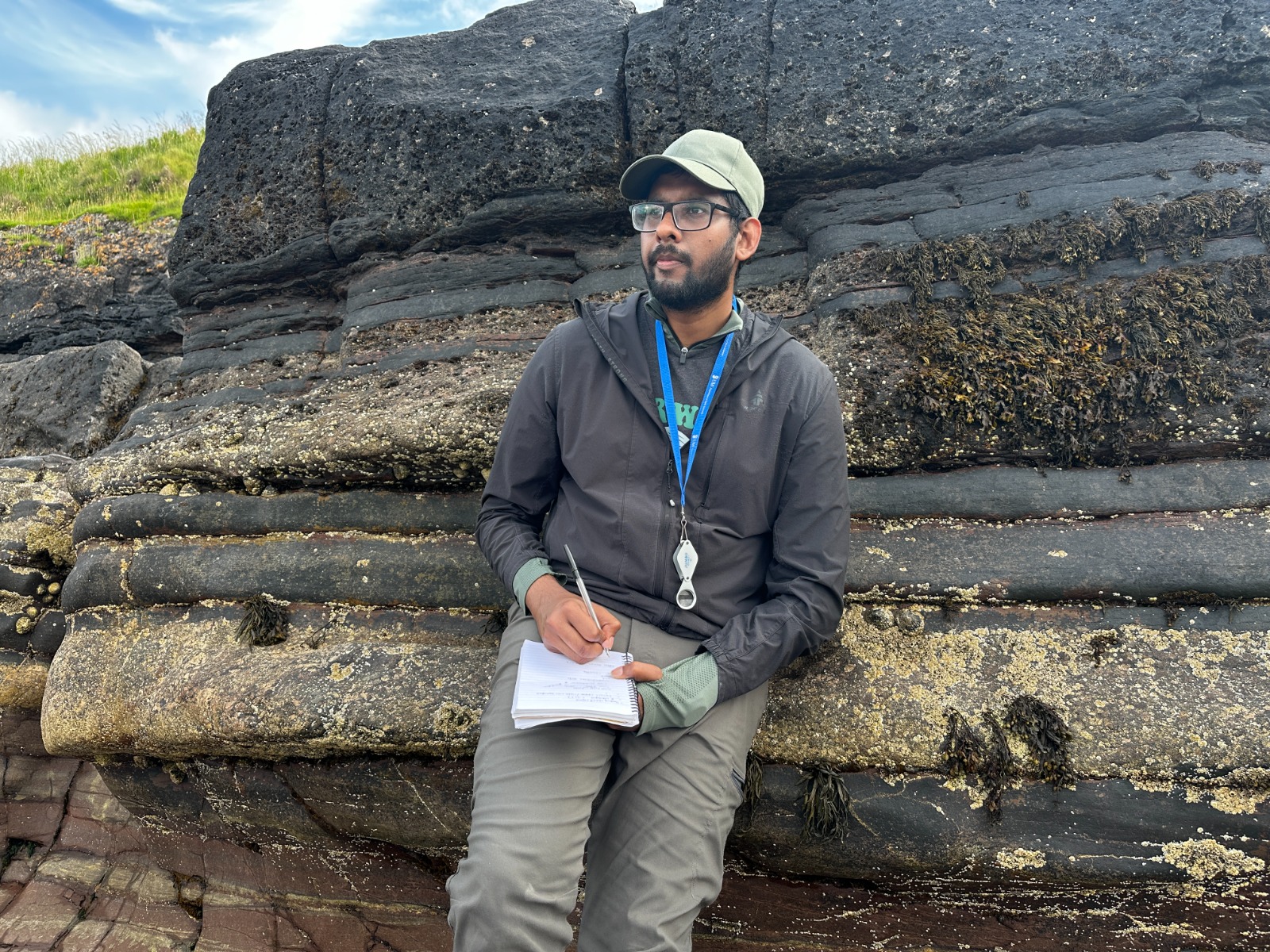
A man standing in a canyon.
Muditha Goonetilleke, PhD student.

Another project is led by Dr. Melina Jobbins, a post-doctoral researcher, which includes collaborators from the Canadian Fossil Discovery Centre and the Manitoba Museum. In this project Melina works to explain how Manitoba’s sedimentary rocks have recorded globally significant changes in the distant past. Melina has even named a new species of fish in the fossil record.

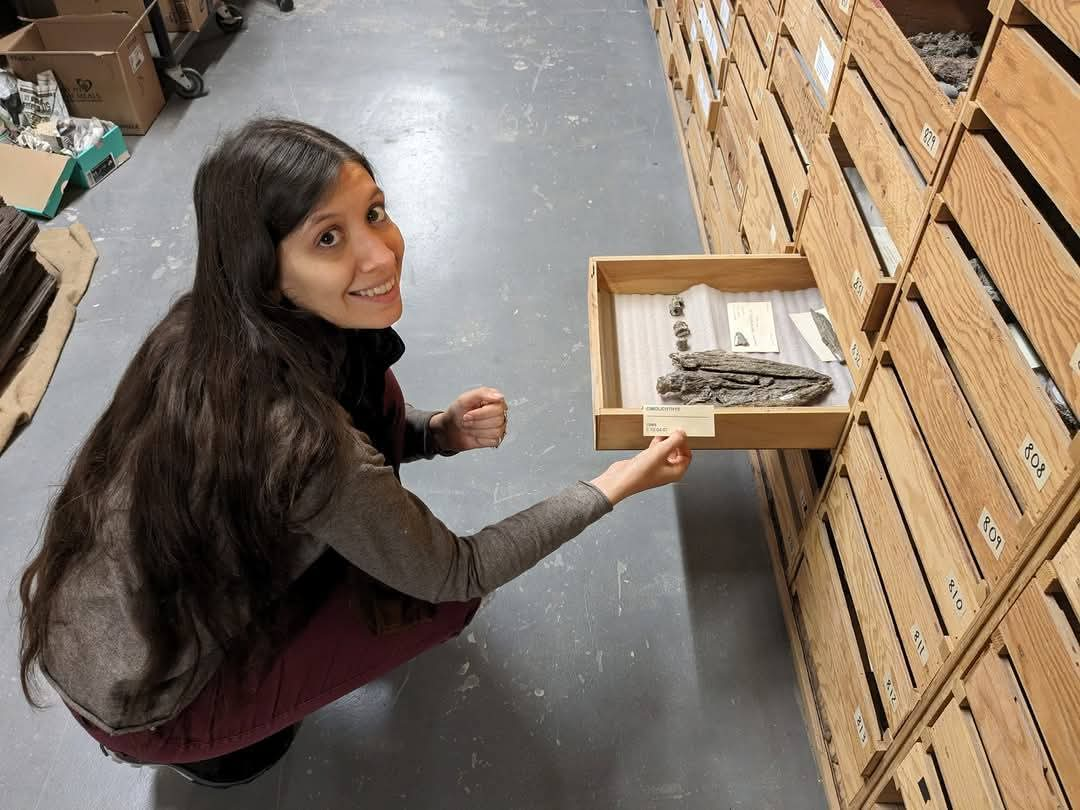
A woman opening a drawer.
Dr. Melina Jobbins, post-doctoral researcher.

“By looking at ancient sediments at these sites we can confidently say students in my lab are answering relevant questions to scientists and policy makers around the world,” says Silva. “As a research community here in Manitoba, we have achieved this recognition together and I hope we will see more 50 under 50 in the coming years.”

As many as fifty geoscientists under the age of 50 will be recognized each year, with awardees invited to participate in special presentations by the Geological Society of America and the Geological Association of Canada. 

"Dr. Ricardo Silva’s achievement is a testament to his research excellence and the power of collaboration in advancing scientific understanding," says Dr. Annemieke Farenhorst, Dean of the Clayton H. Riddell Faculty of Environment, Earth, and Resources. "His international recognition brings great pride to our faculty and shines a light on the important geoscience research happening at the University of Manitoba."

Boilerplate: Research

For nearly 150 years, UM has transformed lives through groundbreaking research and homegrown innovation. We push the boundaries of knowledge and do the hard work here in Manitoba to move our community and the world forward. With a spirit of determination and discovery, we are shaping a better future for our province and beyond.