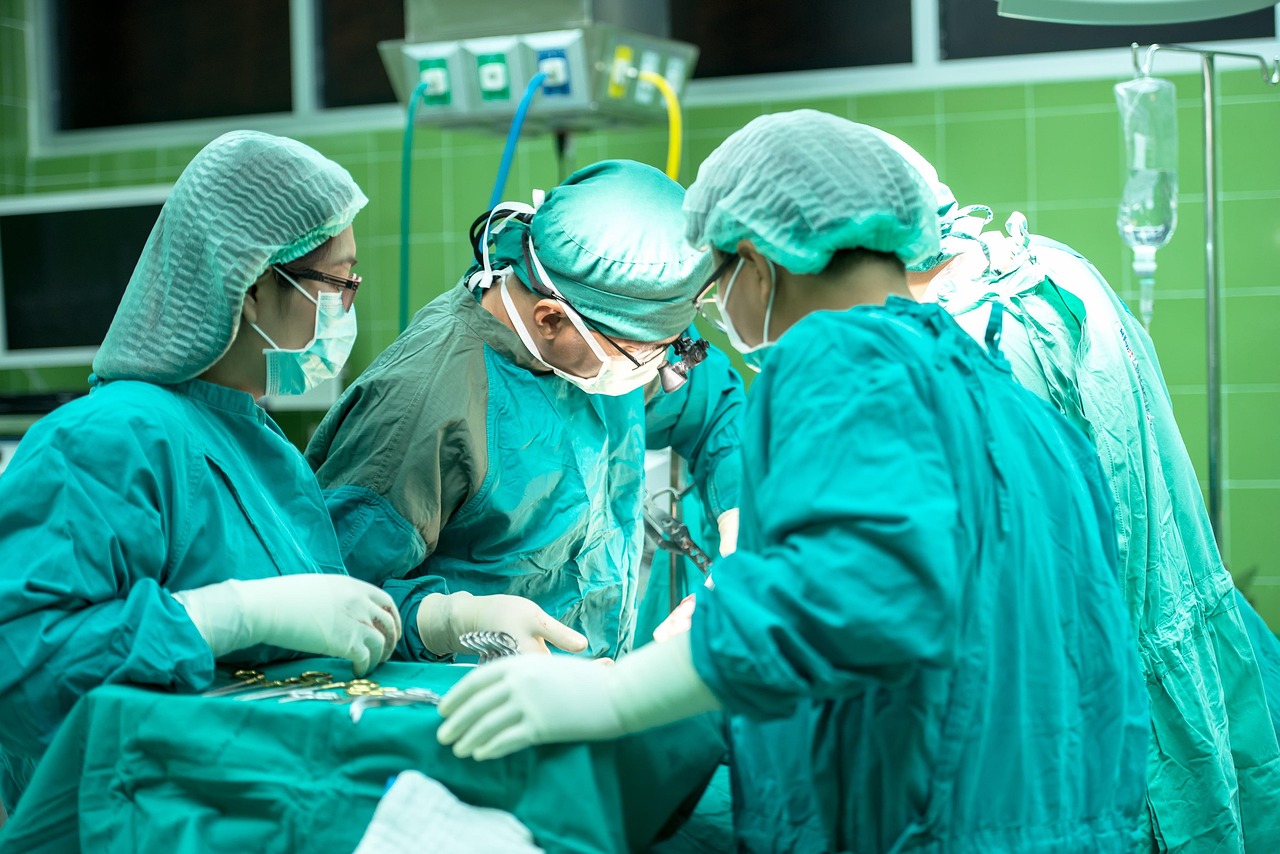
Brain surgery is as complicated as it sounds, but thanks to ground-breaking research done in Winnipeg, the treatment of chronic brain bleeds just got less invasive and a lot safer.
Led by University of Manitoba (UM) professor of radiology and Health Sciences Centre (HSC) Neuro Interventional Radiologist Dr. Jai Shankar, researchers from the UM, in collaboration with Shared Health’s Division of Neurosurgery, have demonstrated a major advancement in the treatment of chronic subdural hematoma (CSDH), a condition that is one of the most common adult neurosurgical diseases. The research has found that a minimally invasive procedure significantly lowers the chance of the condition recurring.
“A procedure we call EMMA – embolization of the middle meningeal artery – has been in existence for almost a decade,” said Shankar. “It reduces blood flow to the brain’s outer covering to help prevent re-bleeding after surgery to address CSDH. While we knew of EMMA, we wanted to test it and see what this procedure could mean for post-operative patients and their long-term health.”
Shankar and his team ran a randomized clinical trial involving 186 patients. Those who received EMMA in addition to surgery had a recurrence rate of just 4.3 per cent, compared to 28 per cent in patients treated with surgery alone.
“This is a major step forward in how we treat chronic subdural hematomas,” said Shankar. “Essentially, we are reducing the need for repeat surgeries, shortening hospital stays, and improving the quality of life for our patients.”
A CSDH occurs on the surface of the brain, resulting in stroke-like symptoms, and it can lead to serious neurological complications if not effectively treated. That treatment previously meant open brain surgery only. Now these patients receive EMMA after surgery, but EMMA can be done as an outpatient procedure, meaning patients get brain surgery and then go home. The procedure involves neurointerventional radiologists using a wire that is inserted from the top of the leg or from the wrist and then positioned where new blood vessels are forming to embolize, or cut off new blood vessels, limiting the chance of recurrence of a brain bleed.
“These results represent a substantial improvement in patient outcomes and have the potential to reshape care practices worldwide,” said Shankar.
The findings of the research were published in the Journal of the American Medical Association (JAMA) on April 30, 2026, highlighting the global significance and impact of the work that took place in Manitoba, with the support of Manitobans. That support includes from the late Paul Albrechtsen, which created the Paul Albrechtsen Interventional Radiology Suites where this life-saving care and groundbreaking research take place.
“Importantly, this entire project – from conception to execution – was carried out using resources within Manitoba, with strong national collaboration,” said Shankar. “The Manitoba patients who agreed to participate in this study helped further the treatment possibilities for their incidence of illness. Without their willingness to help, this study would not have been possible.”
No age is immune to CSDH, with the trial treating patients as young as 14 years old to the oldest at 88 years old.
“When we do research, we don’t just care for one patient, but for millions of people worldwide,” stressed Shankar. “And it’s a pretty great day when we can say definitively this procedure works and will help people recover and live better than they can without EMMA.”