Leading geoscientist brings expertise to advance Canada's resource security and sovereignty
Dr. Peter Reiners is the new Eddie Goldenberg Chair exploring subsurface fluid-rock systems deep underground
Estimated Read Time:
3 minutes
Estimated Read Time:
3 minutes
Dr. Peter Reiners is joining the University of Manitoba as the Eddie Goldenberg Research Chairs of Canada in Geoscience of Subsurface Fluid-Rock Systems for Solutions in Sustainability and Security. Reiners will lead critical research on subsurface fluid-rock systems deep underground. His research speaks directly to Canada’s priorities in economic development, energy security and national sovereignty.
An accomplished American geoscientist from the University of Arizona, Reiners will take up his new position in the Clayton H. Riddell Faculty of Environment, Earth, and Resources in January 2027.
"It's wonderful to have the opportunity to come to UM and to use this important investment in research to advance Canada’s goals of prosperity, sustainability and security,” says Reiners. “I’m excited to get to work with all the talented researchers in the Riddell faculty and beyond.”
His research will help inform decisions about resource development in Canada, while maintaining public trust and environmental integrity.
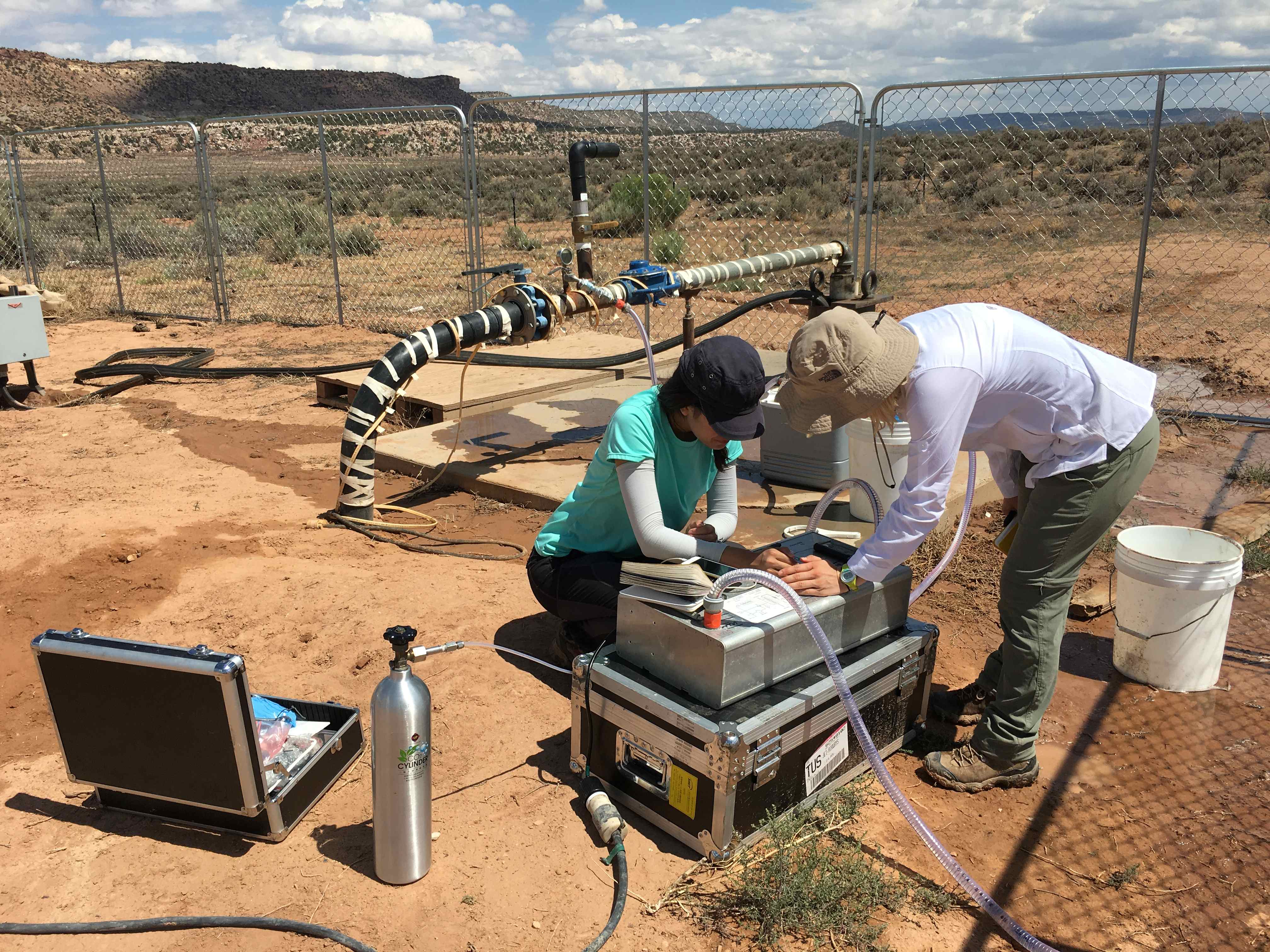
Researchers sampling groundwater for krypton isotopes
Supporting Canada's sovereignty and economic future
“One of the greatest challenges of the 21st century is meeting the world's growing demand for minerals, energy, water and subsurface storage” says Reiners. “We combine geoscience — the fundamental science of fluid rock systems — with engineering to explore how to extract those resources and manage the subsurface responsibly.”
Reiners’ appointment comes at an important time for resource development, clean energy and maintaining reliable sources of fresh water in Canada. Resource security is increasingly linked to economic resilience, energy independence and national sovereignty.
Canada is leading in investment bringing together science, environmental responsibility and long-term planning.
Peter Reiners
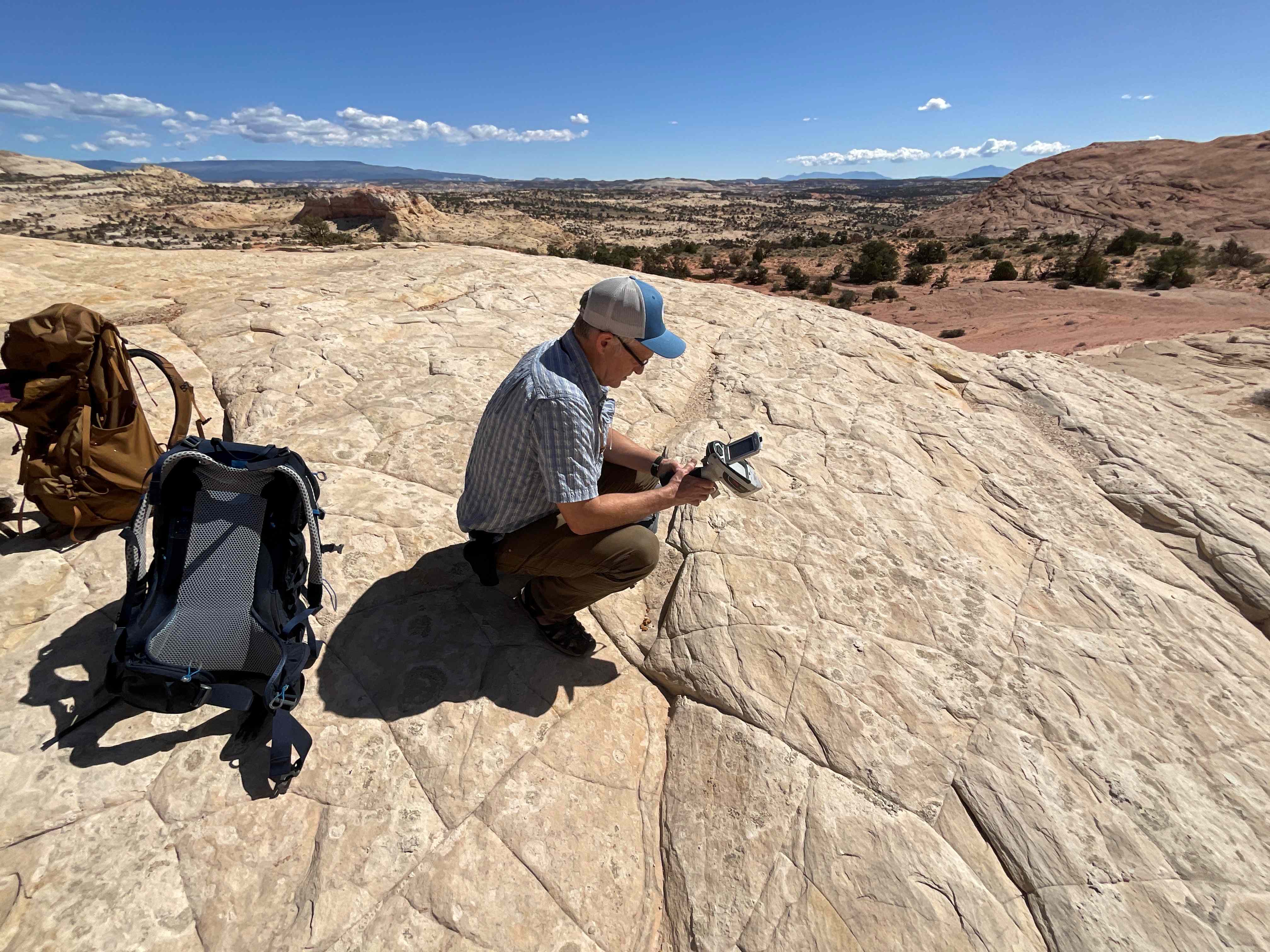
Reiners taking measurements out in the field
Understanding the world deep underground
Reiners’ research aims to provide policy makers, mineral exploration companies and other researchers with more effective and environmentally responsible tools to locate and manage critical mineral and other deposits in Manitoba and throughout Canada.
Stretching from the vegetation on Earth’s surface to several kilometers below the soil lies the deep critical zone, part of Earth’s subsurface containing aquifers, energy reserves, deposits of critical minerals, and increasingly valuable storage capacity vital for decarbonization.
By studying rocks, groundwater and microscopic life deep underground, Reiners is building a better understanding of the processes that shape mineral deposits, water quality and long-term geological stability. His research explores how microbes interact with minerals and leave behind clues that can help identify valuable critical minerals such as uranium lithium, cobalt and manganese. These minerals are essential for technologies ranging from medical treatments to rechargeable batteries.
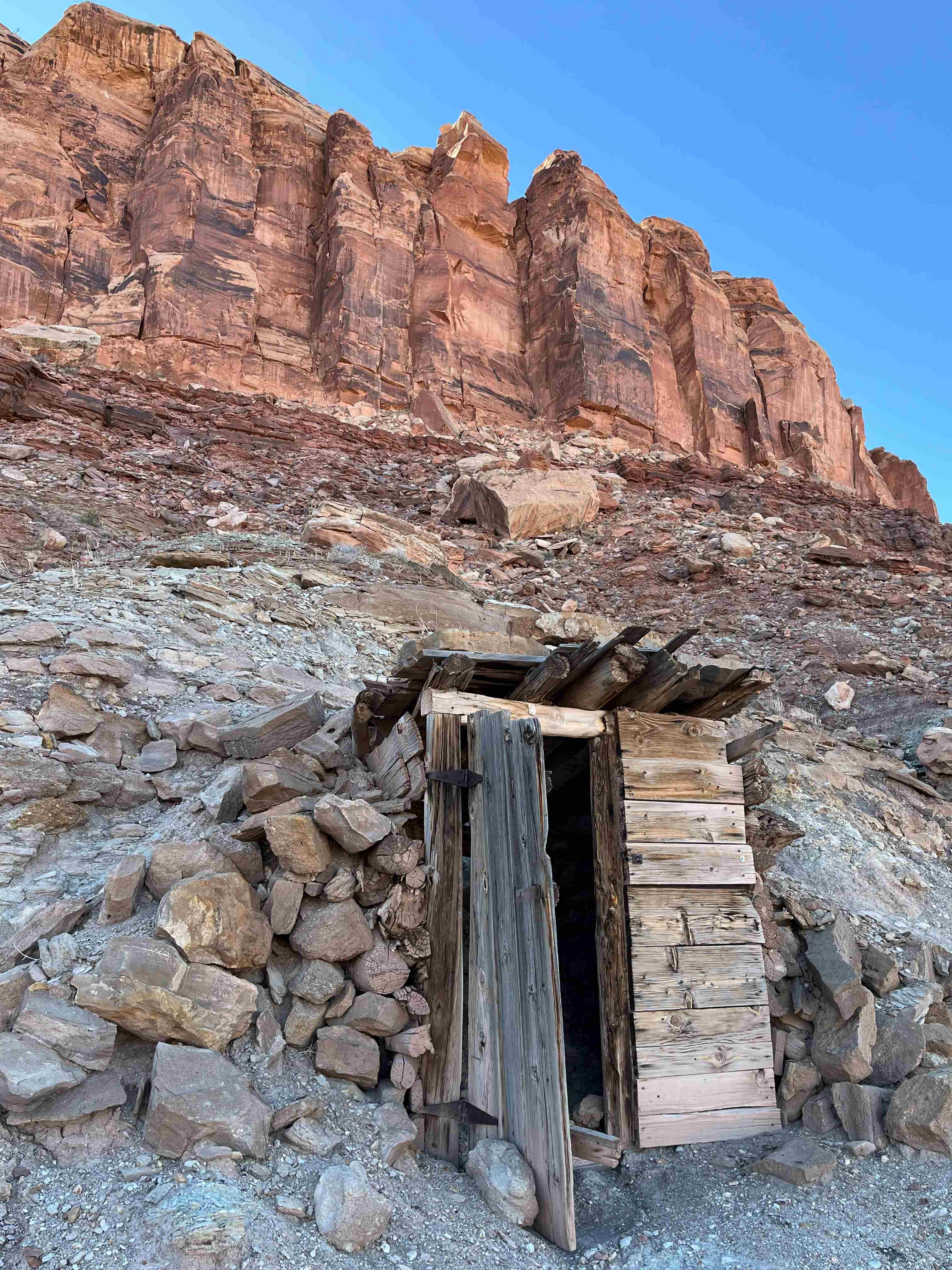
Entrance to a decommissioned mine
Reiners’ work also supports environmental sustainability by helping identify safe locations for underground carbon storage and the long-term management of spent nuclear fuel. Throughout this research, he is committed to working with local communities and First Nations, Inuit and Métis partners to ensure decisions are made collaboratively and that potential benefits are shared by those most affected by resource development.
Manitoba's collaborative research culture
For Reiners, the University of Manitoba stood out because of its collaborative research environment and strong institutional research support. UM’s strengths in natural resources and climate change research and researchers’ meaningful engagements with Indigenous communities aligns closely with his own research goals.
He saw that UM offers unique opportunities to build partnerships across governments, industry and communities while addressing challenges that have both regional and national significance.
Reiners is one of five Eddie Goldenberg Research Chairs coming to the University of Manitoba, representing a $79 million investment. The program is attracting world-leading researchers whose work addresses some of the most pressing challenges facing Canada in times of greater uncertainty.
The federally funded program provides $1 million per chair per year for eight years, with an extension at $500,000 for an additional four years. Each Chair will also receive $4 million in infrastructure funding from the Canada Foundation for Innovation (CFI).
Boilerplate: Research
For nearly 150 years, UM has transformed lives through groundbreaking research and homegrown innovation. We push the boundaries of knowledge and do the hard work here in Manitoba to move our community and the world forward. With a spirit of determination and discovery, we are shaping a better future for our province and beyond.