How thinking local can spark bigger ideas
Asper research reveals how local pride can help businesses unlock more creative ideas through crowdsourcing.
A classic grocery store moment: you’re in the chip aisle, and a bizarre flavour catches your eye. Honey butter. Wild mushrooms and sour cream. Bacon grilled cheese.
Who comes up with this stuff? It turns out, we do.
Crowdsourcing—the practice of giving everyday people the chance to offer your company ideas for products, ad slogans or more—isn’t new. It’s a bulletproof way to get good publicity for your company and good ideas from thousands of people (or maybe more).
It’s also the underlying subject of the latest article by Sijie Sun, Assistant Professor of Marketing at I.H. Asper School of Business, “Local–Global Identity Salience and Creativity: The Mediating Role of Group-Based Pride,” published in the Financial Times 50-rated Journal of Marketing—the latest in a series of Asper articles published in prestigious journals.
As trade tensions renew conversations about what it means to buy, build and support local, Sun’s research reveals an unexpected benefit of local pride: when people are encouraged to think about their local identity, they can generate more creative ideas than when their global identity is emphasized.
As a professor in Canada originally from China, Sun often researches how some consumers dominantly think about the local community, while others see the world as more of a global community.
He decided to investigate whether identifying more locally, or more globally could produce better crowdsourcing results.
Locally-minded people are very in tune with what’s close in proximity to them. For example, they keep up with local news, eat at nearby restaurants, and stay close with the friends they’ve made in their hometown or city.
Those who identify more globally tend to keep up more with world-based news and foreign films while seeing themselves as members of a global village.
So how does this play into your creative output?
Globally-minded people tend to feel less connected to their local communities. Says Sun, “Being a citizen of the universe—that’s too broad. It’s too big.”
The locally-minded, however, experience more group-based pride, which is the feeling of closeness and belonging within a community.
Turns out, having that pride gives you less to worry about—which gives you more cognitive capacity to connect seemingly unrelated ideas, i.e. creativity.
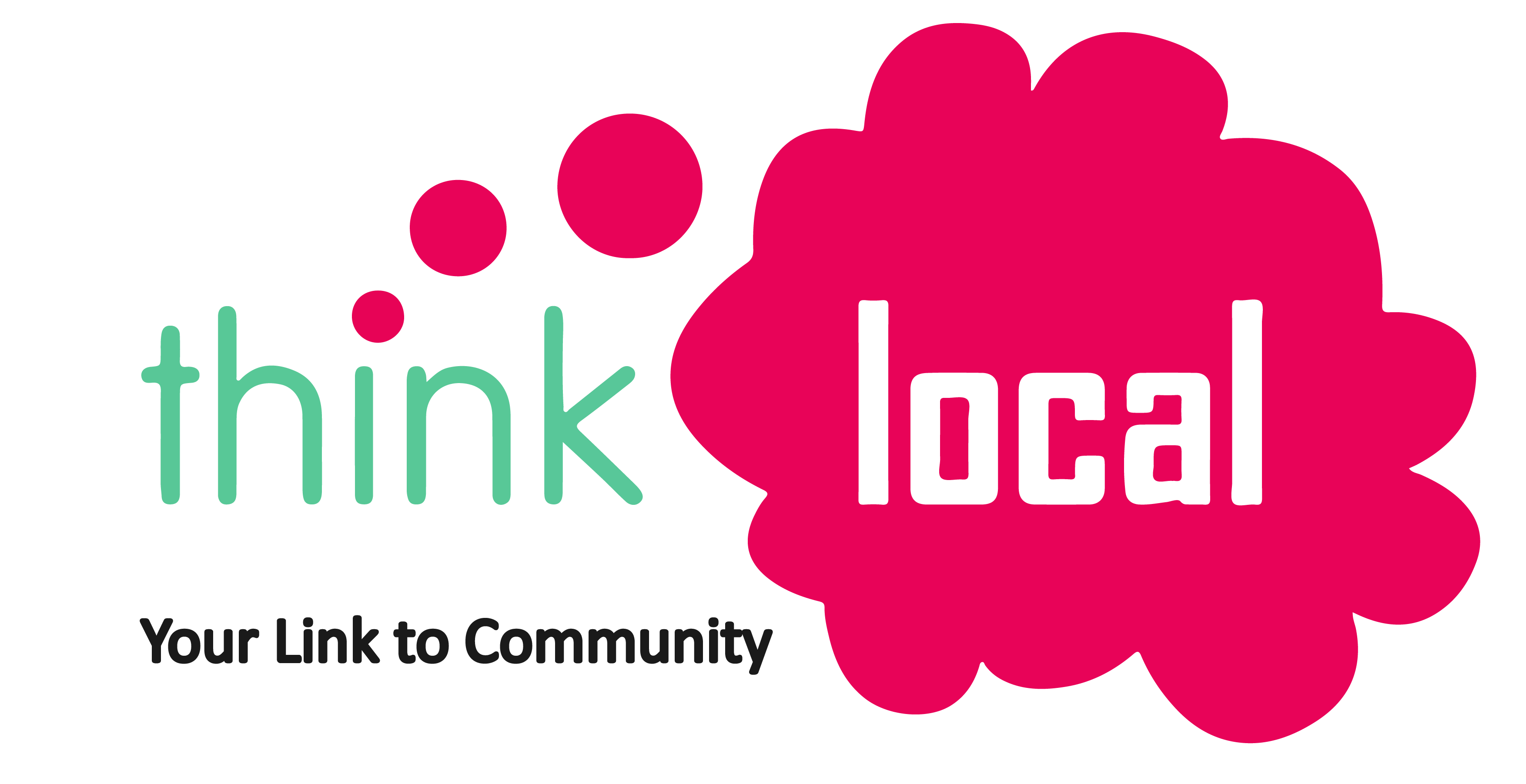
A logo used by Sun and his co-authors to cue research participants into thinking locally
People may be more creative when they are thinking about their city, region or country. Marketers can take advantage of times when local thinking is amplified.
For example, in today’s economic climate, a Canadian company could take advantage of a heightened sense of connection to Canada by asking customers to help develop a new Canadian-made product, rethink a product using Canadian suppliers, or come up with ideas that support local businesses and workers.
Designing crowdsourcing campaigns around feelings of local pride, closeness, and connection may also naturally draw local-minded participants to a campaign.
Marketers can also use small cues to put people in a local mindset before asking them for ideas.
For example, a Canadian crowdsourcing campaign could use phrases such as “support Canadian,” “made here” or “help us build a Canadian solution” before asking consumers to contribute ideas.
At a time when supporting local businesses has taken on renewed importance for Canadians, Sun’s research suggests that local pride can do more than influence what consumers buy. It can also shape how they think, collaborate and create.
For businesses looking for their next big idea, the answer might be closer to home than they think.
Read the full text of Local–Global Identity Salience and Creativity: The Mediating Role of Group-Based Pride.
The Asper School of Business aims to expand the creation of global knowledge and engage in intellectual exploration to advance management research and practice. Our researchers’ scholarly work is regularly published in world’s most renowned outlets in the field.
Be part of this flourishing research culture and learn more about research programs in management (MSc and PhD) at the Stu Clark Graduate School.
For nearly 150 years, UM has transformed lives through groundbreaking research and homegrown innovation. We push the boundaries of knowledge and do the hard work here in Manitoba to move our community and the world forward. With a spirit of determination and discovery, we are shaping a better future for our province and beyond.
Making space for education grounded in Indigenous knowledge systems.
Results mark progress on strategic research priorities
Gates Foundation funding is helping UM and partners strengthen maternal and newborn care across Uttar Pradesh, India
UM doctoral student Paige Boyd bridges Ancient Rome and modern education.