The broken ankle plot twist

How Supul Muhandiram’s twist of fate led him to present groundbreaking Asper research at Harvard.

Supul at harvard
Estimated Read Time:
3 minutes
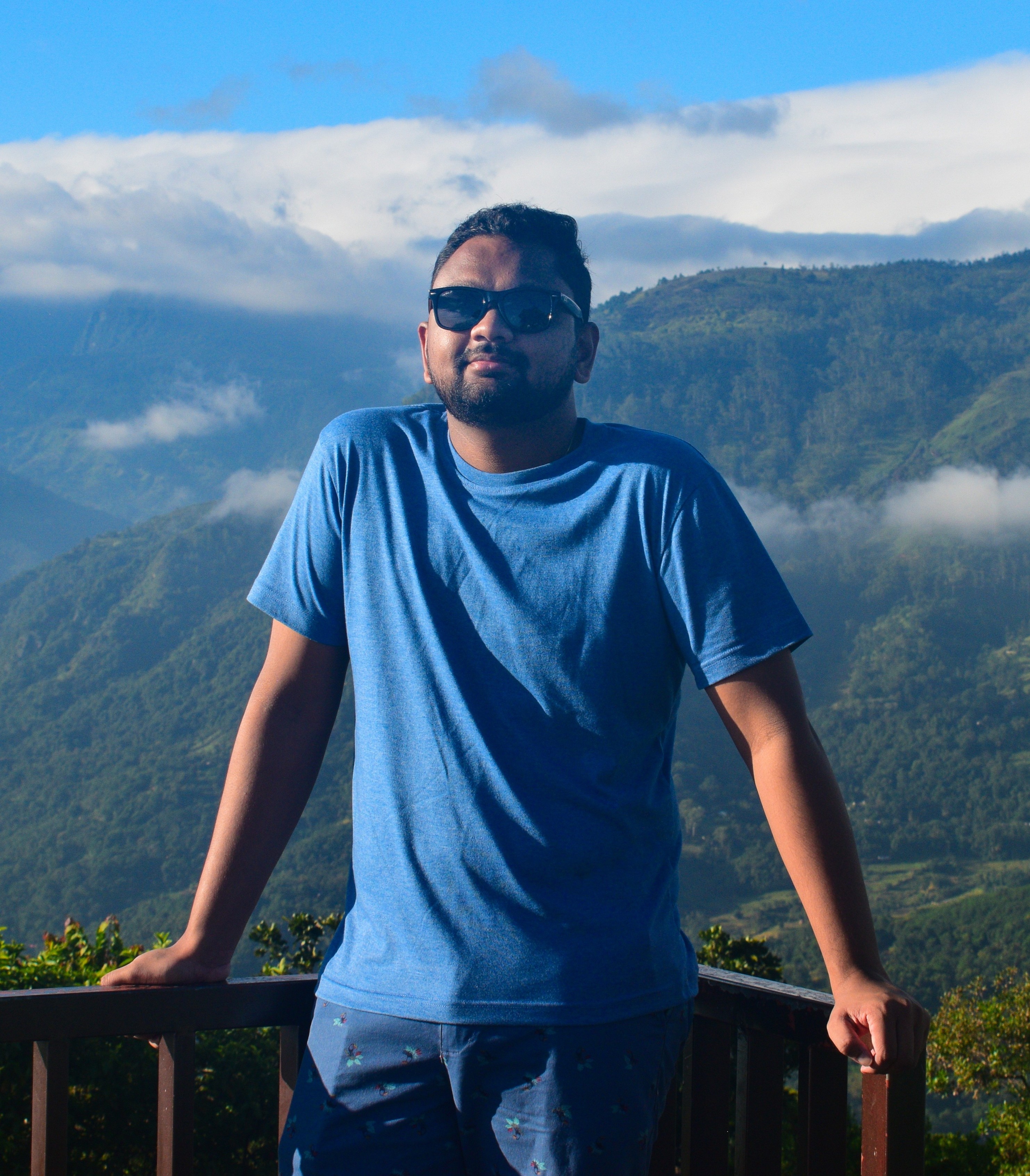
Supul Muhandiram at the Harvard Business School
Estimated Read Time:
3 minutes
By

Brett Maclaren

The universe works in strange ways.

Because as recent I.H. Asper School of Business M.Sc. in Management graduate and current PhD student, Supul Muhandiram can tell you: sometimes a cricket injury in Sri Lanka can, in fact, lead you to presenting Manitoba-based research at Harvard University.  
 

From Sri Lanka to Manitoba

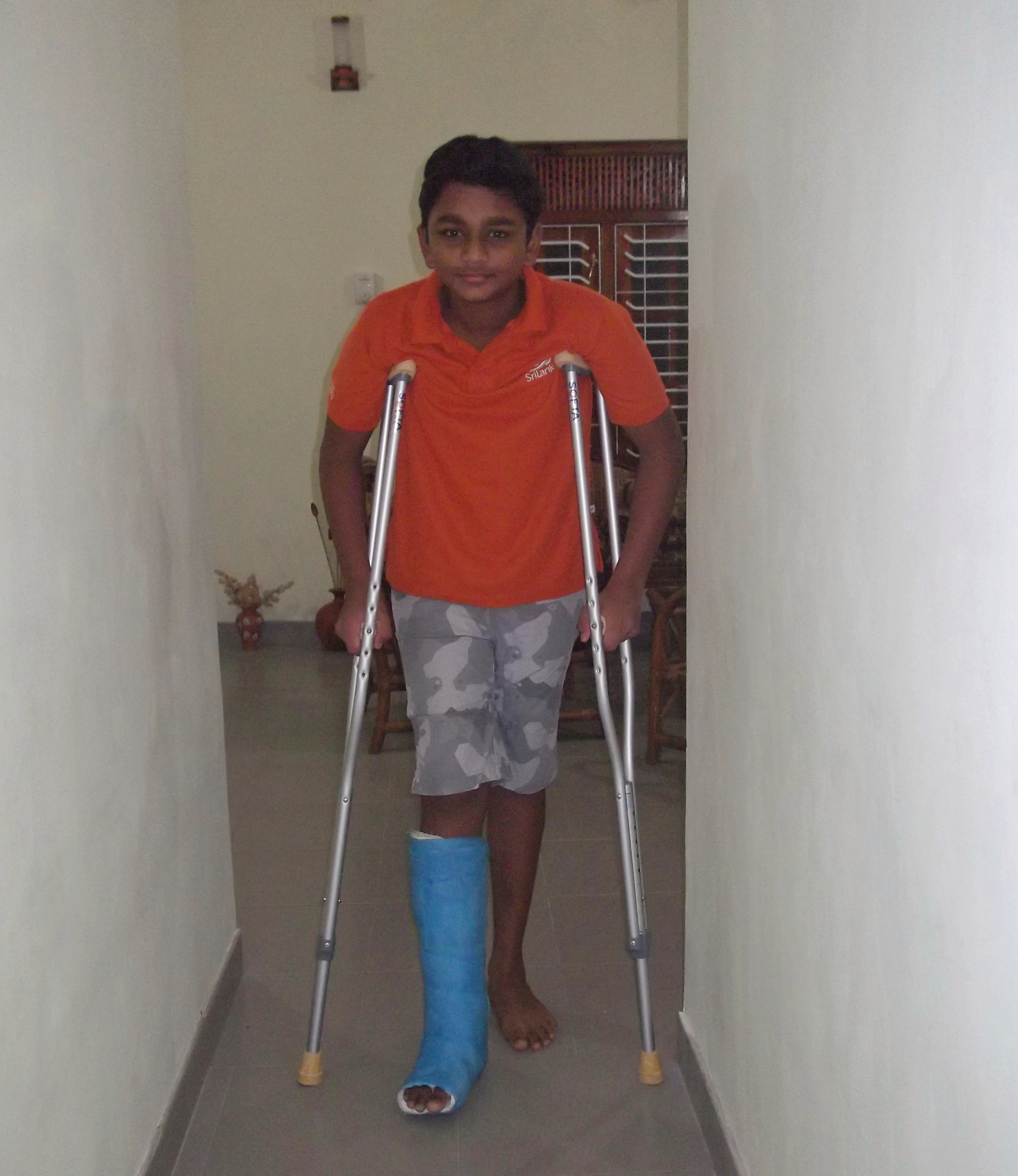
Supul describes himself, pre-cricket-injury, as a “very mischievous, naughty child,” who rode motorcycles all over his home country of Sri Lanka. But then at age 15, plot twist: he broke his ankle playing cricket… right before a big exam. 

“I realized, if I don’t get my stuff together, I’m gonna fail these exams,” Supul said. He started studying. A lot. Teaching himself things. Asking questions, which led to more questions, and so on. 
 

Supul with a cast on his leg
Supul in Sri Lanka

“That broken ankle changed the trajectory of my life because it showed me I really enjoy academics,” he said.

Once healed, that ankle took him next to the University of Wolverhampton, where he earned a master’s degree in civil engineering; and then back to home where he co-founded AYUVA Wellness Ltd. 

The question-asking didn’t stop there. In 2022, as COVID deteriorated supply chains and imports to the country, Sri Lanka experienced civil unrest.

The answer to his next question—where can I study how supply chains work?—was the Asper School of Business. 
 

From Manitoba to Harvard

By the time Supul was presenting his Manitoban research at Harvard, it actually wasn’t his first time there. 

While taking his M.Sc. in Management at the Asper School, he became interested in taking the Geographic Information Systems (GIS) training at Harvard.  It was a bit ambitious. He didn’t think he would be able to get into the workshop or find the funding for it. 

But with encouragement from his faculty advisor, Narendra Malalgoda, The Associates Fellow in Supply Chain Management at the Asper School, and the generous support of the University of Manitoba Transport Institute, he made it into the training (and the famous New England clam chowder!). 

While there, Supul networked with many of the esteemed academics in attendance. When he finished his master’s thesis, he submitted an abstract to his peers, and was accepted to the 2026 Celebrating Geographic Analysis: Past, Present, and Future conference where he could present on it. 

“At first, it was very surreal,” Supul said about visiting the school. “But by the end, I started to feel at home. The community is so welcoming.”


Supul Presenting at Harvard
Supul Muhandiram presents his research at Harvard

There’s a lot to unpack within his research, titled Past Decisions, Present Barriers, and Future Access: A GIS-Based Analysis of Spatial Disparities in Indigenous Grain Market Access in Manitoba, Canada.

Think of it like this: there’s grain companies, and there’s farmers. A company says, “I want to make grain handling more efficient,” and puts in processes to make things cheaper and faster…for them. 

Their efficiency is making grain handling more expensive for the farmer. That’s a power imbalance. Now add to that the farmers who are getting the worst of this imbalance are often reserves and Indigenous communities. 

It’s research that matters, with a deep connection to Manitoba and advancing Reconciliation. And Supul shared it with world-class academics right there in room 209 of the David Rubenstein Treehouse at Harvard University.
 

What is a Geographic Information System?

“Think of it like a map on steroids,” said Supul. Layers and layers of analytical data, traffic data, and more, condensed into one handy tool, which can be used in any field.

From PhD to beyond

It’s easy to say you’ve got it all figured out after you’ve been to Harvard. Having graduated from the MSc in Management and moved on to his PhD, Supul is trying to figure out what his next plot twist is.
 

Supul at Grad

Right now, he’s especially interested in researching a potential supply chain path through Manitoba’s north—which could be a solution to escalating trade tensions with the United States. 

But ultimately, he acknowledges that his persistent curiosity may lead him to another plot twist—which is, hopefully, an idea rather than an injury. 

“I ordered some Nespresso pods recently,” Supul said. “And they sent me the bag to return the pods. This is very interesting, because of the concept of circularity in sustainability. So, I was looking into it, wondering—can I do something with this?”
 

When not presenting at Harvard or drinking Nespresso, Supul is collaborating with his colleagues at Asper MSc and PhD Student Organization (AMPSO).

The Asper School of Business aims to expand the creation of global knowledge and engage in intellectual exploration to advance management research and practice. Our researchers’ scholarly work is regularly published in world’s most renowned outlets in the field.

Be part of this flourishing research culture and learn more about research programs in management (MSc and PhD) at the Stu Clark Graduate School.