Access students invited to explore career in Education
New course shares passion and possibilities
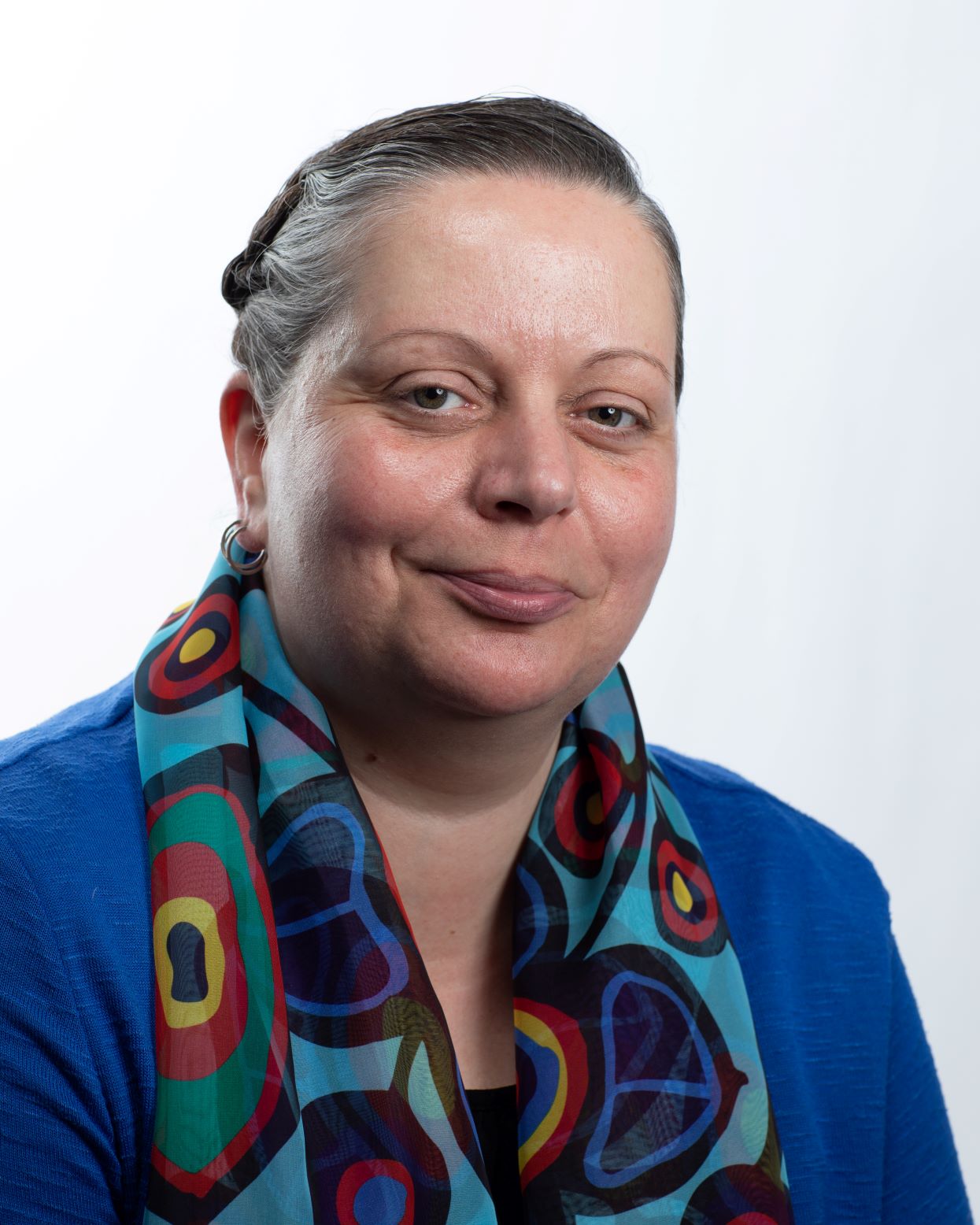
Ford, who is Inuit/Settler, was a single mom living in Churchill, Manitoba before she came to Winnipeg to attend the University of Manitoba with the Access Program. “It is because of Access that I have been able to succeed. Without it, I probably would have given up.”
With Access, she made lifelong friends and continued her education. During her career, she taught children, at-risk youth, and adults. She worked in Thompson, Manitoba, Botswana, at the Aboriginal Centre, Red River College, and in the Frontier School Division. She was a teacher, a principal, a director of education, a school superintendent, and a dean.
“I was planning on going into medicine. But I wanted time to focus on being a good mom. I wanted to help the Indigenous community. Education was the way to go.”
Now Ford is happy to give back, teaching this course for Access students. “I have lived and worked in their communities. I know what is needed. Education is such an important career. You can do so much with it. You can make changes in your own community. You can provide children with opportunities. If they have people to guide them, they can see what they can be, and they can do anything.”
“Education is a passion for me. I want to show them what it really means to be a teacher,” says Ford.
Teaching is a really good way of life, says Jan Stewart, Dean, Faculty of Education. “Many undergraduates don’t know what they want to do. We want to open their minds to what this career can look like so they can consider this option.
“A teacher can be an advocate, a caregiver, a counsellor, and a role model. There is nothing more rewarding in a career than being privileged to serve in this position,” says Stewart, adding that graduates will also find many opportunities.

“We have a serious shortage of teachers in Manitoba as well as across many parts of the country. This is particularly critical for our Indigenous communities and rural areas of Manitoba,” she says. “Indigenous students need to see themselves better reflected in the schools that they attend and in the curriculum that they study. If we can encourage more Indigenous youth to be teachers, we will also be building the foundation for our next generation of educational leaders, policy makers and school administrators.”
The course was first developed to increase student diversity, says Wayne Serebrin, Associate Dean (Undergraduate Programs and Partnerships), Faculty of Education. It has been adapted to address the current teacher shortage and expanded to include not only the role of teachers in the Kindergarten to Grade 12 system but also a teacher’s contributions to the larger community and global citizenship.
The Bisons Integrated Support Team brings a holistic approach to supporting student-athletes
The Dean's Prize recognizes exceptional academic achievement, strong leadership skills and notable personal service.
From advocating for Indigenous Peoples at the UN to becoming Chief of her First Nation, this law student remains unstoppable.
Student exhibit examines health and social issues