8 recommended reads for Red Dress Day from UM Libraries

Supporting the community in learning and reflection.

Book cover with beaded design on it
Estimated Read Time:
3 minutes
Estimated Read Time:
3 minutes
By

Libraries staff

To support the UM community in learning and reflection, UM Libraries recommends the following reading for Red Dress Day. 

Recognized on May 5, Red Dress Day is a national movement to honour Missing and Murdered Indigenous Women, Girls, and 2SLGBTQQIA+ Peoples (MMIWG2S+). UM recognizes this day as part of our commitment to truth, justice and Reconciliation. Red Dress Day is an opportunity to learn, reflect and commit to taking action.

UM Libraries is committed to building collections that recognize new perspectives and diverse ways of knowing. Read on for a selection of resources from the Libraries collections.

Lyle Ford, Senior Lead, Indigenous Engagement at UM Libraries, selected the following titles “because they range from personal statements to Indigenous perspectives, to government reports, to scholarly examinations of how colonial forces have failed us all, and to how we can effectively resist through courage and honesty.” 

Lyle Ford serves as Senior Lead, Indigenous Engagement at UM Libraries. He provides subject assistance and resources for Indigenous languages and culture and Indigenous studies.

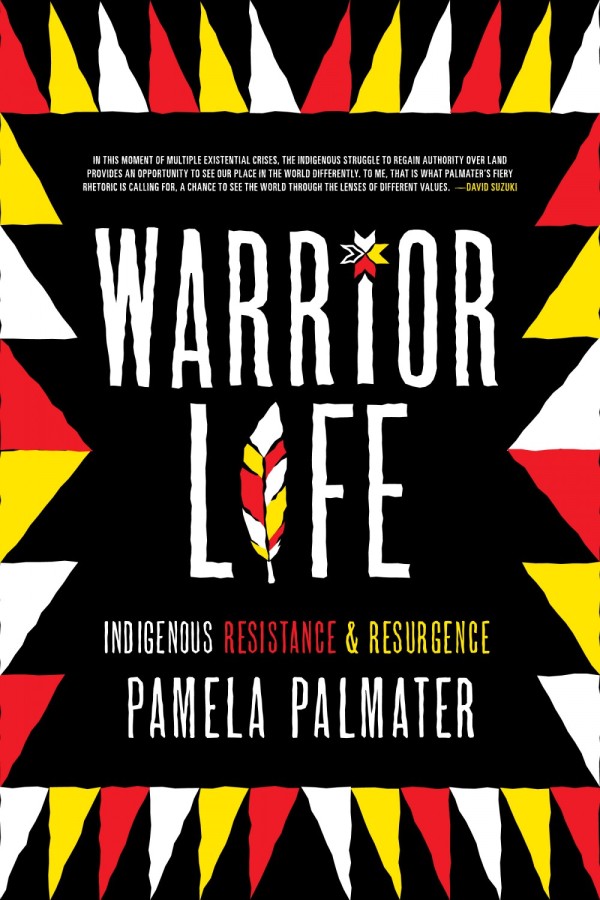
Warrior life: Indigenous resistance & resurgence by Pamela D. Palmater is a collection of short chapters on current Indigenous issues such as Canadian and First Nation politics, racism, sexualized genocide, Canadian law and policy impacting Indigenous peoples and a critique of reconciliation initiatives. 
 

Book cover for Warrior life by Pamela D. Palmater

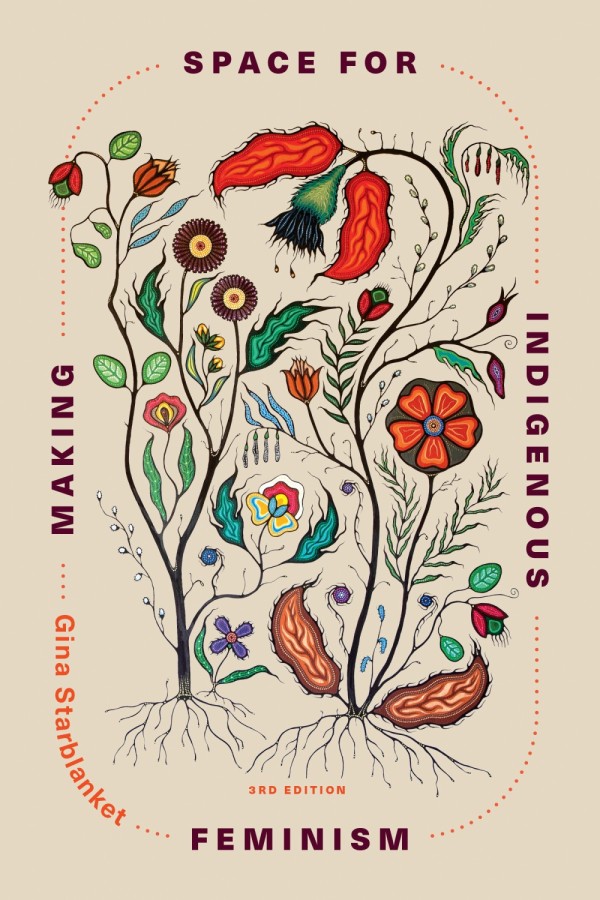
The third edition of the iconic collection Making Space for Indigenous Feminism features feminist, queer and two-spirit voices from across generations and locations. 

Curated by award-winning scholar Gina Starblanket, this third edition reflects and celebrates Indigenous feminism's intergenerational longevity through the changing landscape of anti-colonial struggle and theory. 

Book cover for Making space for Indigenous feminism

Violence against Indigenous women in Canada is an ongoing crisis, with roots deep in the nation's colonial history. 

Despite numerous policies and programs developed to address the issue, Indigenous women continue to be targeted for violence at disproportionate rates. What insights can literature contribute where dominant anti-violence initiatives have failed? 

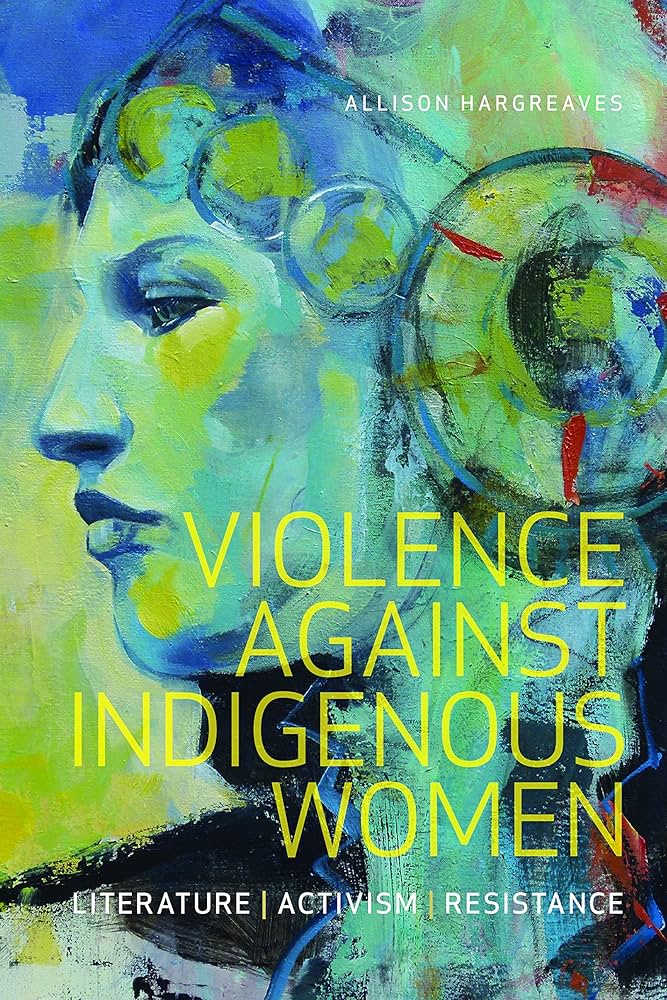
Centring the voices of contemporary Indigenous women writers, Violence Against Indigenous Women: Literature, Activism, Resistance by Allison Hargreaves argues for the important role that literature and storytelling can play in response to gendered colonial violence. 

Book cover for Violence Against Indigenous Women: Literature, Activism, Resistance

The National Inquiry’s Final Report reveals that persistent and deliberate human and Indigenous rights violations and abuses are the root cause behind Canada’s staggering rates of violence against Indigenous women, girls and 2SLGBTQQIA people. The two-volume report calls for transformative legal and social changes to resolve the crisis that has devastated Indigenous communities across the country.

The Final Report is comprised of the truths of more than 2,380 family members, survivors of violence, experts and Knowledge Keepers shared over two years of cross-country public hearings and evidence gathering. It delivers 231 individual Calls for Justice directed at governments, institutions, social service providers, industries and all Canadians.

Cover for the National inquiry into missing and murdered Indigenous women and girls

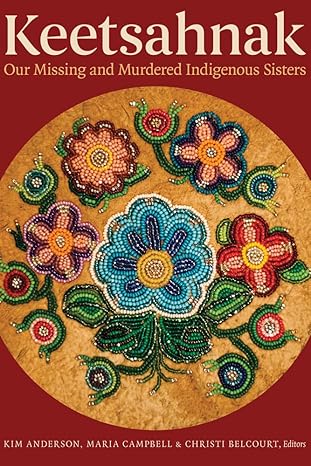
In Keetsahnak / Our Murdered and Missing Indigenous Sisters, the tension between personal, political, and public action is brought home starkly as the contributors look at the roots of violence and how it diminishes life for all. Together, they create a model for anti-violence work from an Indigenous perspective. 

They acknowledge the destruction wrought by colonial violence, and also look at controversial topics such as lateral violence, challenges in working with "tradition," and problematic notions involved in "helping." 

Through stories of resilience, resistance, and activism, the editors give voice to powerful personal testimony and allow for the creation of knowledge.

Book cover for Keetsahnak

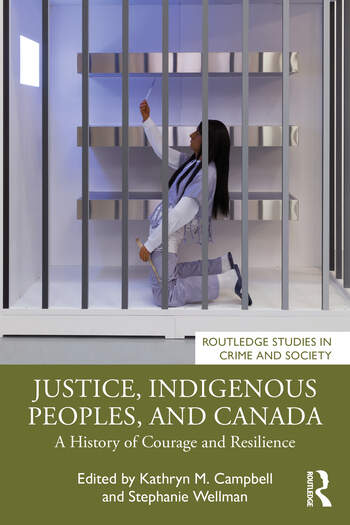
Justice, Indigenous Peoples, and Canada: A History of Courage and Resilience brings together the work of a number of leading researchers to provide a broad overview of criminal justice issues that Indigenous people in Canada have faced historically and continue to face today. 

Both Indigenous and Canadian scholars situate current issues of justice for Indigenous peoples within the context of historical realities and ongoing developments. This unique collection of perspectives exposes the disconcerting agenda of historical and modern-day Canadian federal government policy and the continued denial of Indigenous rights to self-determination.

Cover for Justice, Indigenous peoples and Canada: A History of Courage and Resilience

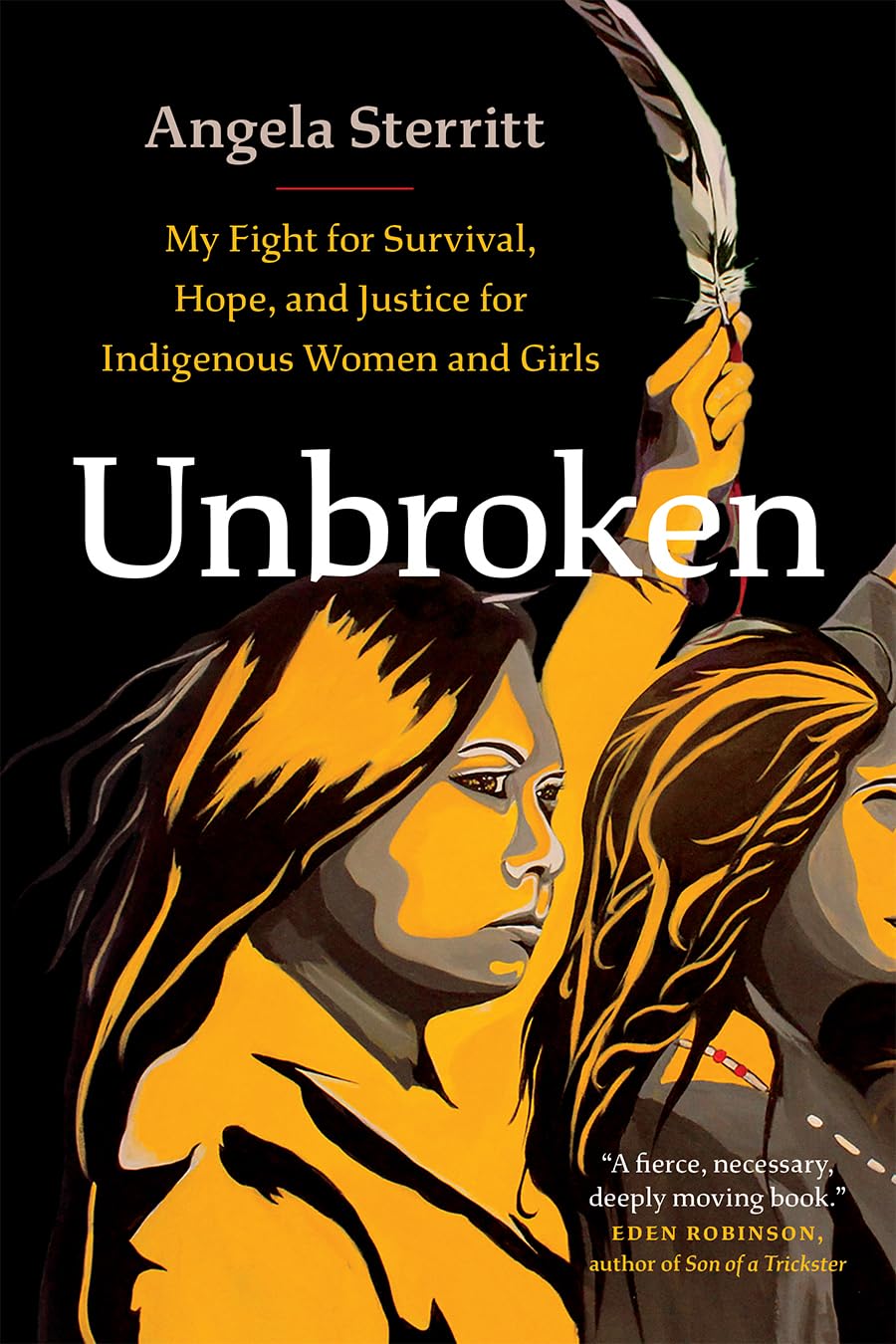
Unbroken is a work of memoir and investigative journalism focusing on missing and murdered Indigenous women and girls, written by an award-winning Gitxsan journalist who survived life on the streets against all odds. 

As a Gitxsan teenager navigating life on the streets, Angela Sterritt wrote in her journal to help her survive and find her place in the world. Now an acclaimed journalist, she writes for major news outlets to push for justice and to light a path for Indigenous women, girls, and survivors.

Book cover for Unbroken: My fight for survival, hope and justice for Indigenous women and girls

In Building the Settler Colonial Order: Police (In)Actions in Response to Violence Against Indigenous Women in "Canada", Jerry Flores and Andrea Román Alfaro focus on missing and murdered Indigenous women, girls, and 2SLGBTQQIA people in “Canada.” They theorize narratives that police employ to respond to this violence. Using a broad data sample of testimonies across “Canada,” this article contributes to understanding how police (in)actions make sense of, justify, and dismiss violence against Indigenous women, girls, and 2SLGBTQQIA people. 

For help finding resources on a specific topic, contact a subject librarian.

Boilerplate: reconciliation

At UM, we are working together to advance reconciliation for transformative change, which is among the commitments you’ll find in MomentUM: Leading change together, the University of Manitoba’s 2024–2029 strategic plan.