Researchers develop new approach to repairing peripheral nerve damage

November is Entrepreneurship and Innovative Thinking Month

WinSanTor team
Estimated Read Time:
1 minute
Fernyhough lab team: Back Row L-R Shayan Amiri, Pranav Mishra, Dr. Paul Fernyhough, Vira Melnyk, Kelly Jorundson, Dr. Darrell Smith; Front Row L-R Karmen Britton, Sanjana Chauhan, Terra Nguyen
Estimated Read Time:
1 minute
A UM-affiliated biotechnology company is developing WST-057, a topical treatment intended to stimulate the peripheral nervous system’s natural ability to regenerate nerve fibres. 

The technology grew from research at three universities. At the University of Manitoba, Dr. Paul Fernyhough and his team screened thousands of compounds for their ability to encourage nerve growth. Among the promising results was pirenzepine, part of a class of drugs that had not previously been studied for nerve regeneration. 

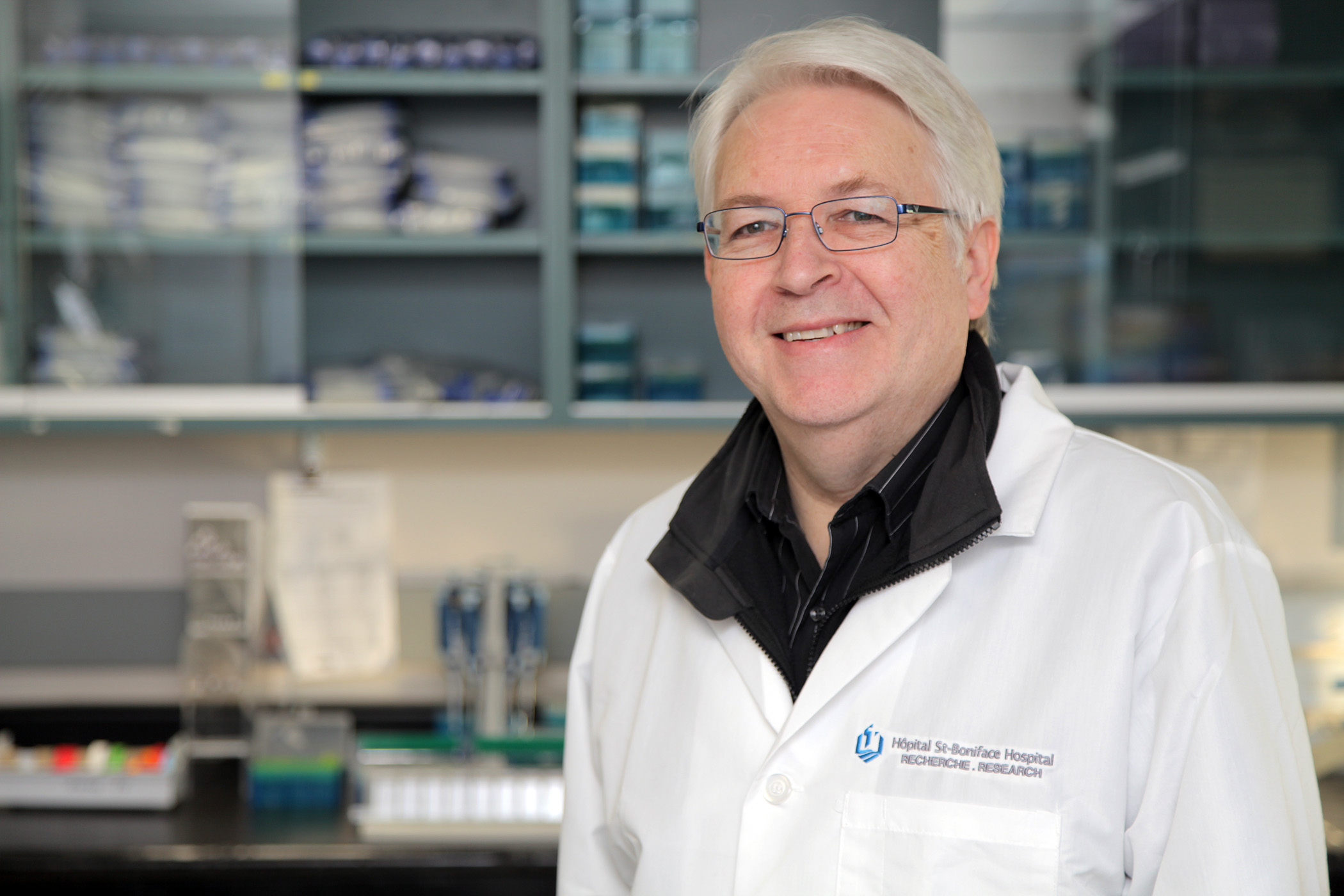
Dr. Paul Fernyhough.

Fernyhough collaborated with Dr. Nigel Calcutt at the University of California San Diego and Dr. Lakshmi Kotra at the University of Toronto. Together, the researchers brought expertise in nerve biology, animal models and medicinal chemistry to understand how these drugs worked and whether they could help damaged peripheral nerves grow again.

Before publishing their findings, the researchers worked with their universities to protect the discoveries through patents jointly held by the three institutions. The intellectual property became the foundation for WinSanTor. Its name reflects the three cities behind the collaboration: Winnipeg, San Diego and Toronto. 

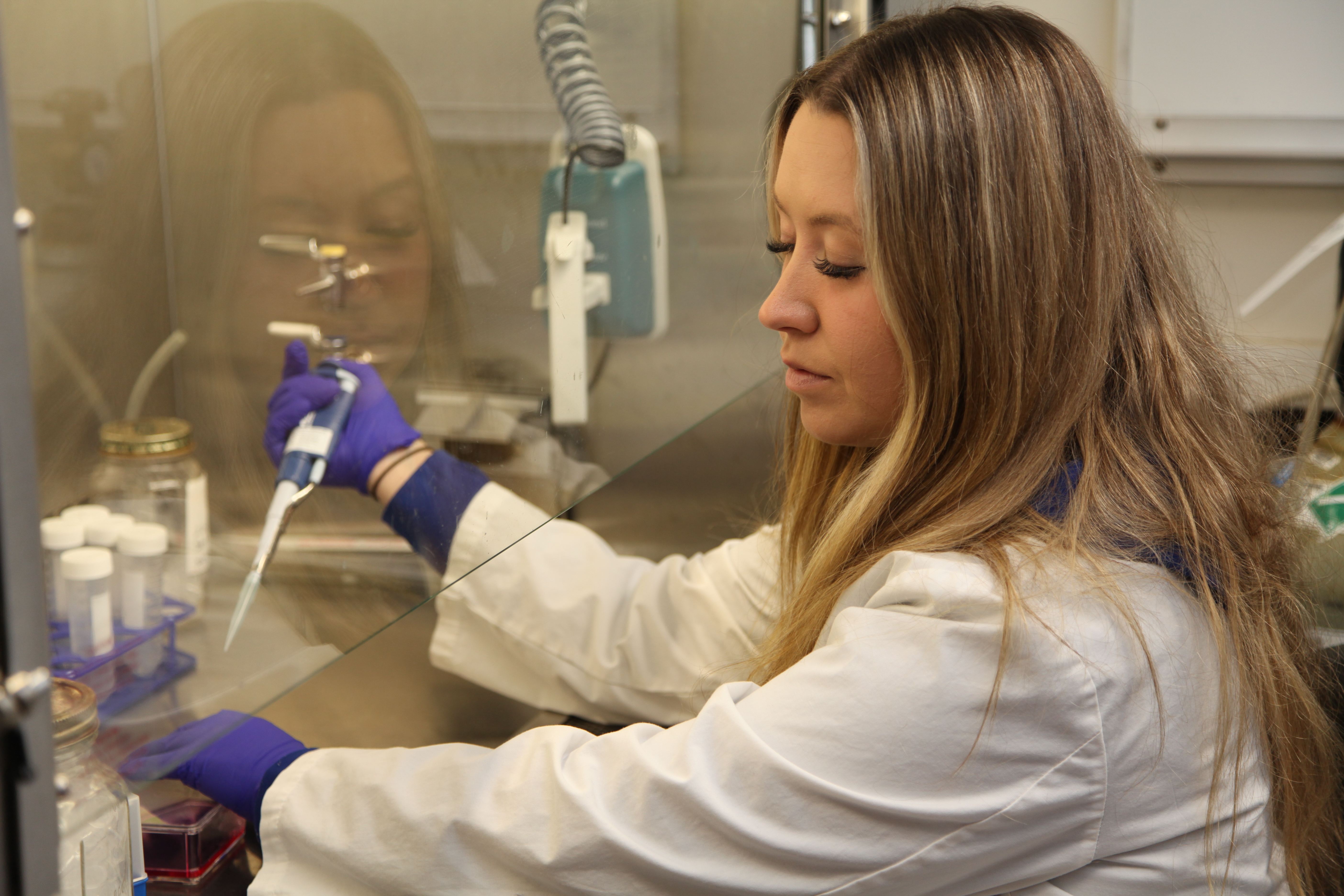
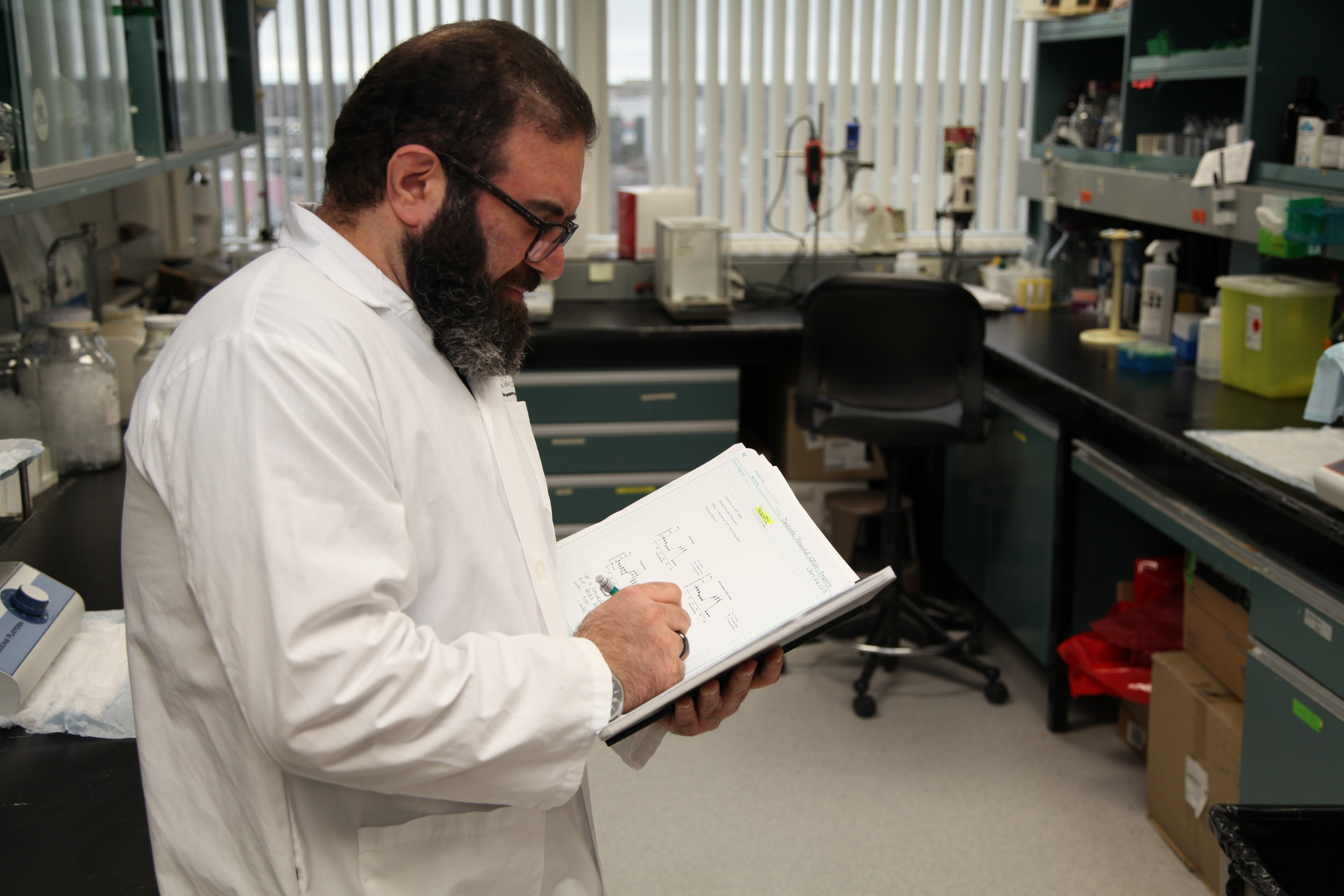
Lab worker reading
PhD Student Shayan Amiri
student lab assistant
M.Sc. Student Karmen Britton
students working in lab
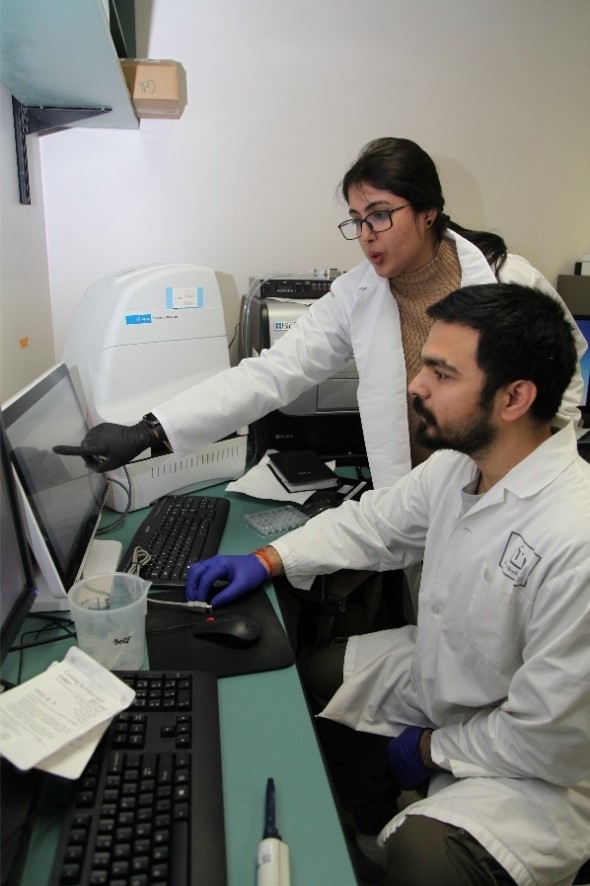
Phd Students Sanjana Chauhan & Pranav Mishra reviewing their data on the Seahorse XFe24 Analyzer

At UM, the Partnerships, Knowledge Mobilization & Innovation (PKMI) office  helped manage the patents and licensing agreement that allowed the company to develop the research commercially. St. Boniface Hospital Albrechtsen Research Centre, Research Manitoba and federal research funding also supported the work as it moved from laboratory studies toward clinical testing. 

That work has now reached patients. In a Phase 2a clinical trial involving people with Type 2 diabetes and peripheral neuropathy, the topical treatment increased nerve-fibre density in the skin, providing evidence that the approach can promote nerve regeneration.

WinSanTor has clearance to move forward with a Phase 3 clinical trial and is now seeking the investment needed to take that next step.

Boilerplate: Research

For nearly 150 years, UM has transformed lives through groundbreaking research and homegrown innovation. We push the boundaries of knowledge and do the hard work here in Manitoba to move our community and the world forward. With a spirit of determination and discovery, we are shaping a better future for our province and beyond.