Rady Faculty researchers receive more than $6.7 million in CIHR funding
Studies will shine light on areas such as Métis men’s health, arthritis and Alzheimer’s.
Estimated Read Time:
4 minutes
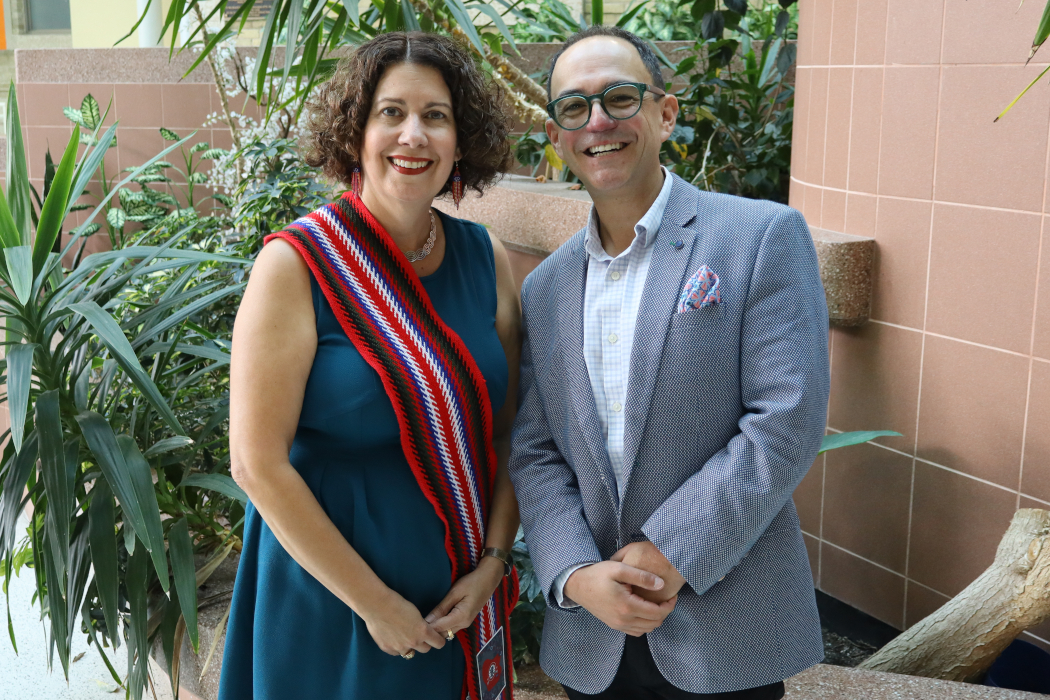
Dr. Nathan Nickel, director of the Manitoba Centre for Health Policy and a professor at the College of Community and Global Health, and Dr. Michelle Driedger, professor at the College of Community and Global Health, received $1.3 million to study Red River Métis men’s mental health.
Dr. Nathan Nickel, director of the Manitoba Centre for Health Policy and a professor at the College of Community and Global Health, and Dr. Michelle Driedger, professor at the College of Community and Global Health, received $1.3 million to study Red River Métis men’s mental health.
Estimated Read Time:
4 minutes
Researchers from the Rady Faculty of Health Sciences have been awarded more than $6.7 million in the latest round of Canadian Institutes of Health Research (CIHR) project funding.
The funding for seven UM research projects was through the CIHR’s Project Grant Program, which is designed to support ideas with the greatest potential to advance health research, health-related fundamental or applied knowledge, health systems, health care or health outcomes.
“Congratulations to the seven remarkable Rady Faculty of Health Sciences researchers whose leadership and innovative research perfectly exemplify UM’s commitment to improving the health and wellness of all Canadians,” says Dr. Mario Pinto, UM vice-president research and international. “This new CIHR funding reflects UM’s collaborative and interdisciplinary approach to research that will lead to transformative medical discoveries.”
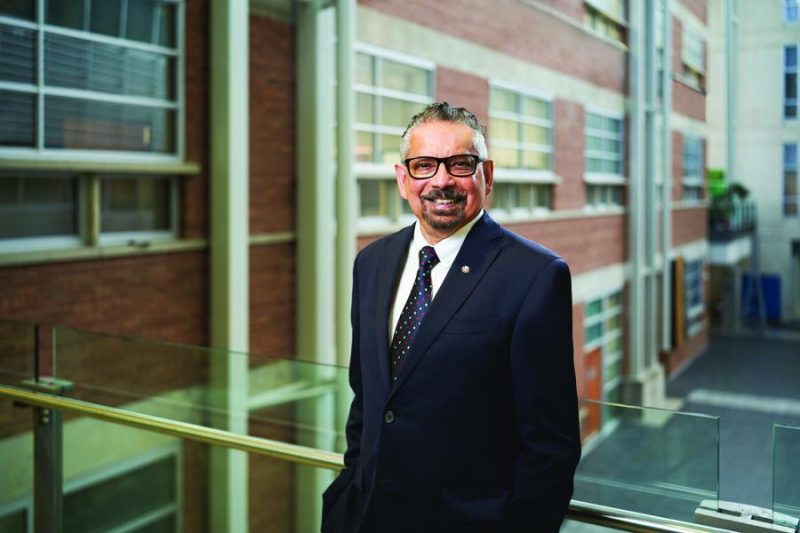
Dr. Mario Pinto
Dr. Peter Nickerson, vice-provost (health sciences) and dean of the Rady Faculty of Health Sciences, said these studies show the wide range of health research taking place at UM.
“These seven projects are excellent examples of the Rady Faculty’s commitment to conducting cutting-edge research that will inevitably have an impact on the health of people at home in Manitoba and around the world,” Nickerson said. “I congratulate all the successful recipients and look forward to seeing the results in the years to come.”
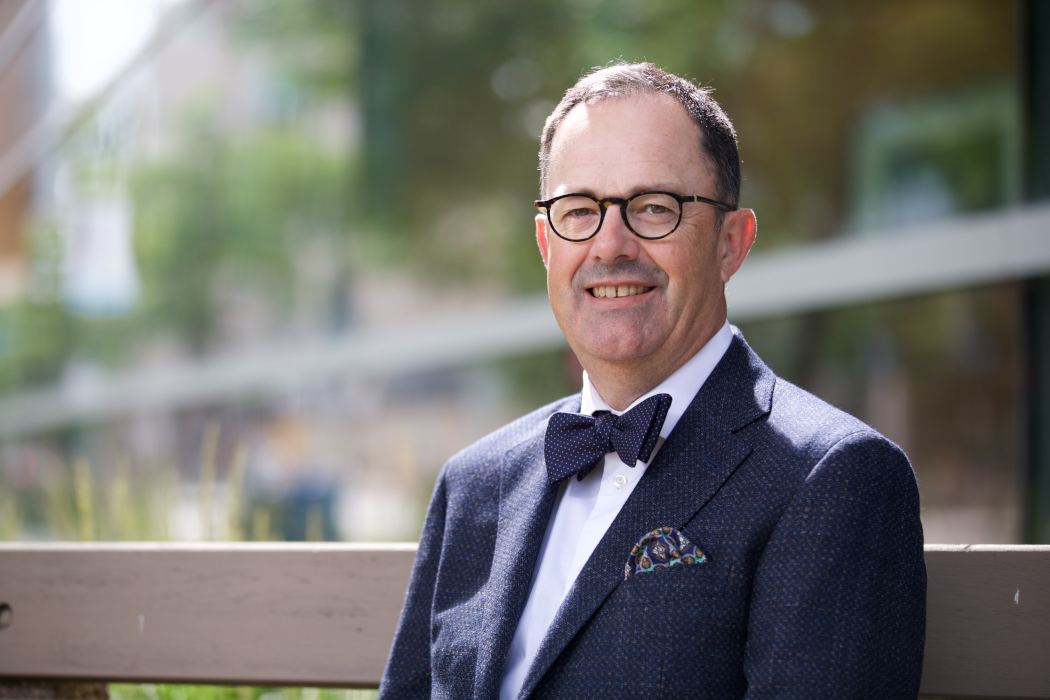
Dr. Peter Nickerson
One of the seven funded projects is led by Dr. Michelle Driedger, a professor at the College of Community and Global Health. Driedger and her team’s research aims to improve mental health outcomes for Red River Métis men by understanding and addressing the barriers they face, if and when they seek help. The project will receive $1.3 million over four years.
Working in partnership with the Manitoba Métis Federation, the research team will work closely with the Red River Métis community to hold group discussions that explore their experiences and needs.
Driedger, who is a member of the Manitoba Métis Nation, said that there are a lot of masculine gendered norms surrounding not wanting to seek help.
“I think there’s a lot of reluctance, so that’s why we wanted to use different strategies in this project to really start tapping into what would have meaning and value for Red River Métis men,” Driedger said. “We’re not just looking at things in terms of traditional health services, but we’re also looking at peer support, greater cultural engagement on the land and different ways of thinking about health and well-being.”
Dr. Michelle Driedger and Dr. Nathan Nickel
While Driedger brings her expertise on Métis methodologies to the project, Dr. Nathan Nickel will use his background as a population health scientist. Nickel, the director of the Manitoba Centre for Health Policy and a professor at the College of Community and Global Health, said that men’s mental health is an under examined and under supported area.
“I suspect our work is going to show how interconnected systems and structures are, anti- Métis racism, gender norms and how impactful those are on Métis men’s mental health,” Nickel said.
CIHR grant recipients
Dr. Britt Drögemöller, assistant professor, Max Rady College of Medicine; Canada Research Chair in pharmacogenomics and precision medicine; researcher; Children’s Hospital Research institute of Manitoba; scientist, CancerCare Manitoba Research Institute
Grant: $1 million (five years)
Drögemöller and her team’s project will use cutting-edge tools to examine how the chemotherapy drug cisplatin alters gene expression in the inner ears of mice. They will combine these findings with large human genetic studies of cisplatin-induced hearing loss to identify biological patterns that help predict who is most at risk of hearing loss.
Dr. Paul Fernyhough, professor of pharmacology and therapeutics, Max Rady College of Medicine; director, division of neurodegenerative disorders, St. Boniface Hospital Albrechtsen Research Centre
Grant: $1 million (five years)
Fernyhough and his team will use cutting edge pharmacological and cell biological techniques to investigate how drugs that block the function of a specific receptor on sensory neurons work. They hope a better understanding of the pharmacological actions of these drugs might drive design of novel drugs for treatment of debilitating diseases of the peripheral nervous system.
Dr. Paul Marcogliese, assistant professor of biochemistry and medical genetics, Max Rady College of Medicine; scientist, Children’s Hospital Research Institute of Manitoba
Grant: $1.1 million (five years)
Marcogliese and his team will generate and study fly models carrying KAT6A/B variants. They will use these models to: 1) determine how different variants affect gene function and contribute to different clinical outcomes; 2) help clarify variants of uncertain significance identified locally and in public databases; and 3) test whether drugs that affect epigenetic pathways can improve movement and seizure-like problems seen in our fly models.
Dr. Michael Jackson, professor of pharmacology and therapeutics, Max Rady College of Medicine
Grant: $1 million (five years)
Jackson and his team’s research study is focused on validating a novel approach for the development of a disease modifying treatment in Alzheimer’s disease. Their approach is based on their development of a small peptide-based treatment that is designed to prevent the decline of neuronal communication in Alzheimer's that causes memory loss in patients.
Dr. Julia Uhanova, associate professor of internal medicine, Max Rady College of Medicine
Grant: $100,000 (one year)
To bridge the gap between the high need and lack of options in obesity management in remote Indigenous communities, Uhanova and her team will examine the effectiveness of a science-based, clinician co-developed, AI-supported digital obesity treatment in five Anisininew communities in Manitoba. They will investigate community acceptance of the intervention by implementing a culturally grounded framework and Indigenous People's community perspectives into then AI-based digital obesity intervention program.
Dr. Liam O’Neil, assistant professor of internal medicine and immunology, Max Rady College of Medicine
Grant: $914,176 (five years)
O’Neil and his team will study cigarette smoking as a modifiable risk factor for Rheumatoid Arthritis development in First Nations Peoples. They will investigate the way cigarette smoking interacts with the immune system. Specifically, they think that neutrophils, which are an immune cell, are prone to inflammation that might lead to abnormal immune responses in people who are at high risk for rheumatoid arthritis development.
Learn more about the UM projects funded through the latest round of CIHR’s Project Grant Program:
For nearly 150 years, UM has transformed lives through groundbreaking research and homegrown innovation. We push the boundaries of knowledge and do the hard work here in Manitoba to move our community and the world forward. With a spirit of determination and discovery, we are shaping a better future for our province and beyond.