Celebrate Earth Day with learning resources from UM Libraries

Learn more about Earth and the environment with these expertly curated resources

Screenshot of a map of Earth with various Indigenous languages and territories marked on it
Estimated Read Time:
2 minutes
At Native-Land.ca, find an interactive map of the globe outlining traditional Indigenous languages, relationships and territories.
Estimated Read Time:
2 minutes
By

Libraries staff

Learn more about your environment this Earth Day with resources from UM Libraries.


Earth Day recognizes the power of collective action and impact of individuals, groups and organizations in helping to protect and improve our environment. UM recognizes Earth Day as part of its commitment to sustainability.


UM Libraries is committed to building collections that recognize new perspectives and diverse ways of knowing. Read on for a selection of relevant resources from the Libraries collections.

Resources selected by Corser du Pont, subject librarian for the Clayton H. Riddell Faculty of Environment, Earth and Resources. 

Learn Earth Day history

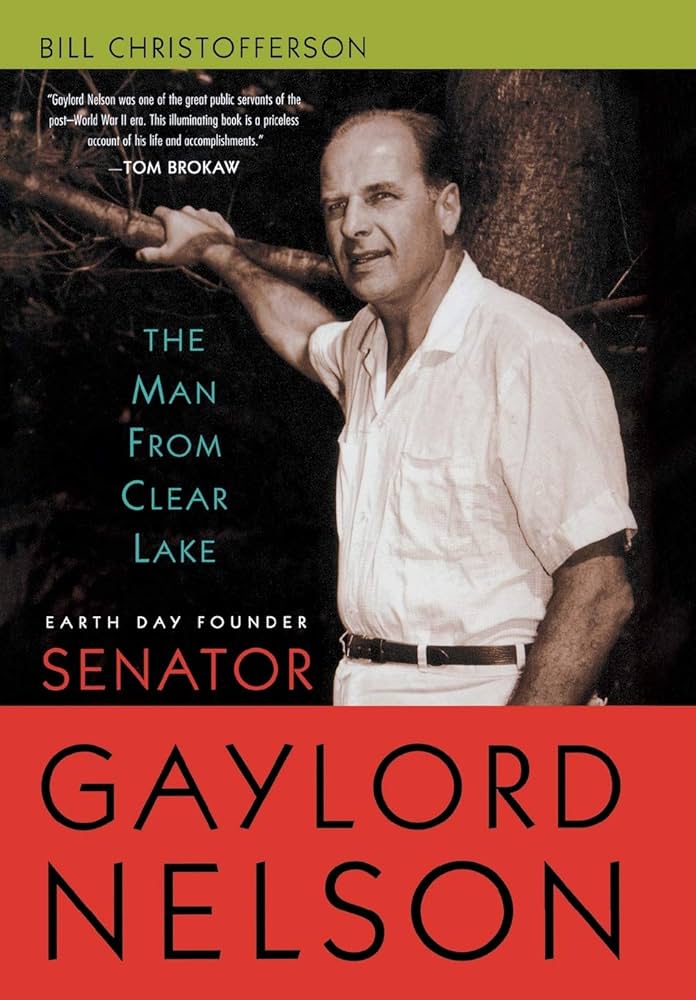
Learn about the founder of Earth Day, Gaylord Nelson, in his biography The man from Clear Lake: Earth Day founder Gaylord Nelson by Bill Christofferson and on the webpage of the Earth Day founder.


Watch Earth Days, a free award-winning documentary by Robert Stone about the rise of the modern environmental movement in America, culminating in the first Earth Day in 1970.

Cover of The man from Clear Lake: Earth Day founder Gaylord Nelson

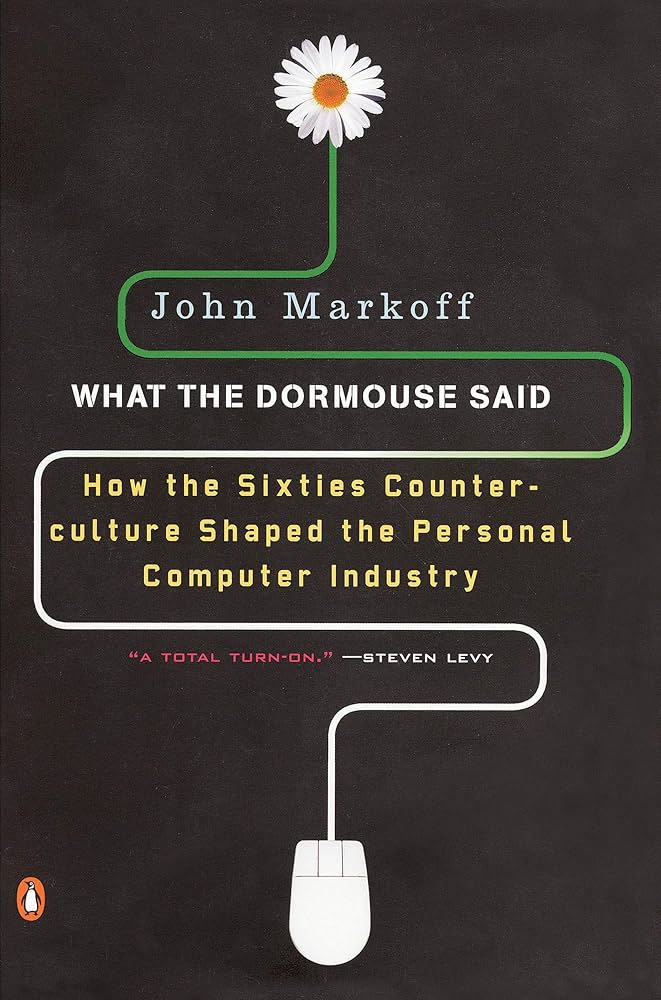
Read What the dormouse said: how the sixties counterculture shaped the personal computer industry by John Markoff for context of the1960s counterculture that gave birth to Earth Day and the computer technologies of today.

Explore The Whole Earth Catalog, edited by Stewart Brand. Issued periodically during the same time period as the creation of Earth Day for all things environmental, Earth Day and the Whole Earth Catalog go hand-in-hand.
 

Cover for What the dormouse said: how the sixties counterculture shaped the personal computer industry

Perspectives on environment, climate and ecology

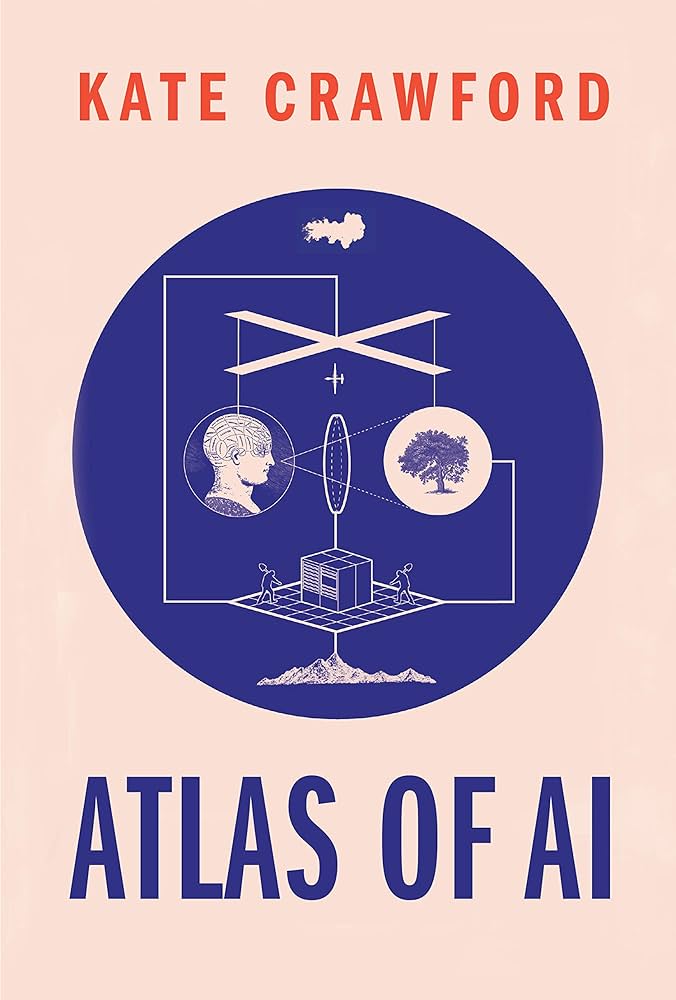
In The Atlas of AI: Power, Politics, and the Planetary Costs of Artificial Intelligence by Kate Crawford, learn about AI and its effects on the environment.

Ecosystem-based management for the oceans, edited by Karen McLeod and Heather Leslie, synthesizes a vast amount of current knowledge to create a comprehensive guide to ecosystem-based marine management. The supplemental biographies of the contributing marine biologists alone make this collection worth a read. 
 

Cover of Atlas of AI by Kate Crawford

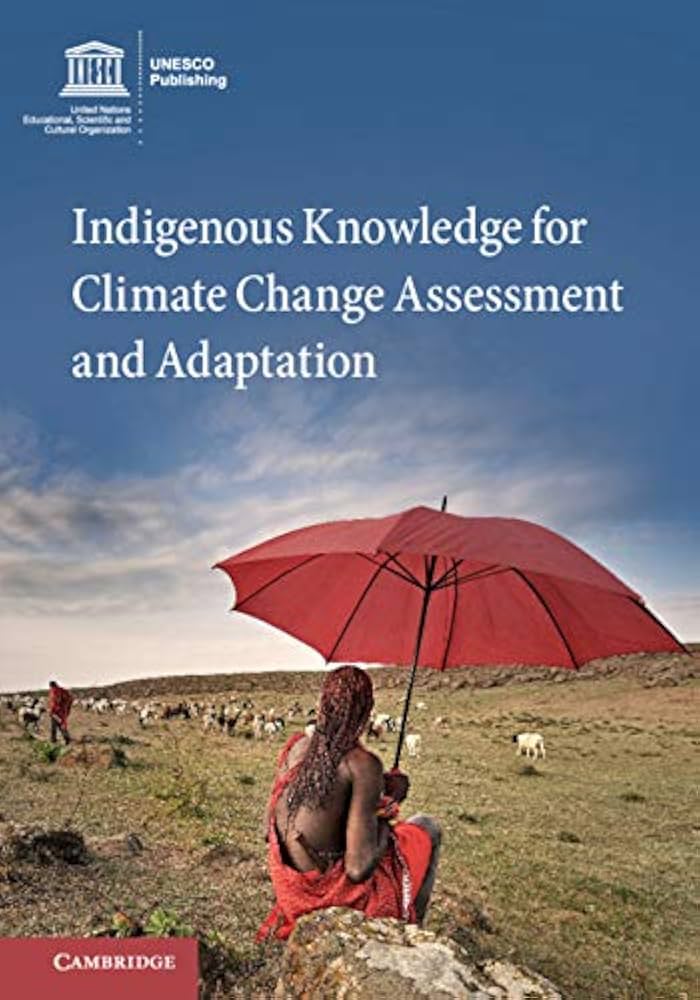
Learn about Indigenous ecological perspectives from around the globe with Indigenous knowledge for climate change assessment and adaptation edited by Dougals Nakashima, Igor Krupnik and Jennifer Rubis.

Find an interactive map of the globe outlining traditional Indigenous languages, relationships, and territories at Native-Land.ca, “Our home on native land.” A resource worth bookmarking on your web browser. 
 

Cover of Indigenous knowledge for climate change assessment and adaptation

From UM authors

By Vaclav Smil, Distinguished Professor Emeritus in UM's Clayton H. Riddell Faculty of Environment, Earth, and Resources, How to feed the world: the history and future of food shows how we misunderstand the essentials of where our food really comes from, how our dietary requirements shape us, and why this impacts our planet in drastic ways. 

How the world really works: the science behind how we got here and where we’re going, also by Smil, is an analysis of the modern science and technology that makes our twenty-first-century lives possible.

Cover for How to feed the world by Vaclav Smil

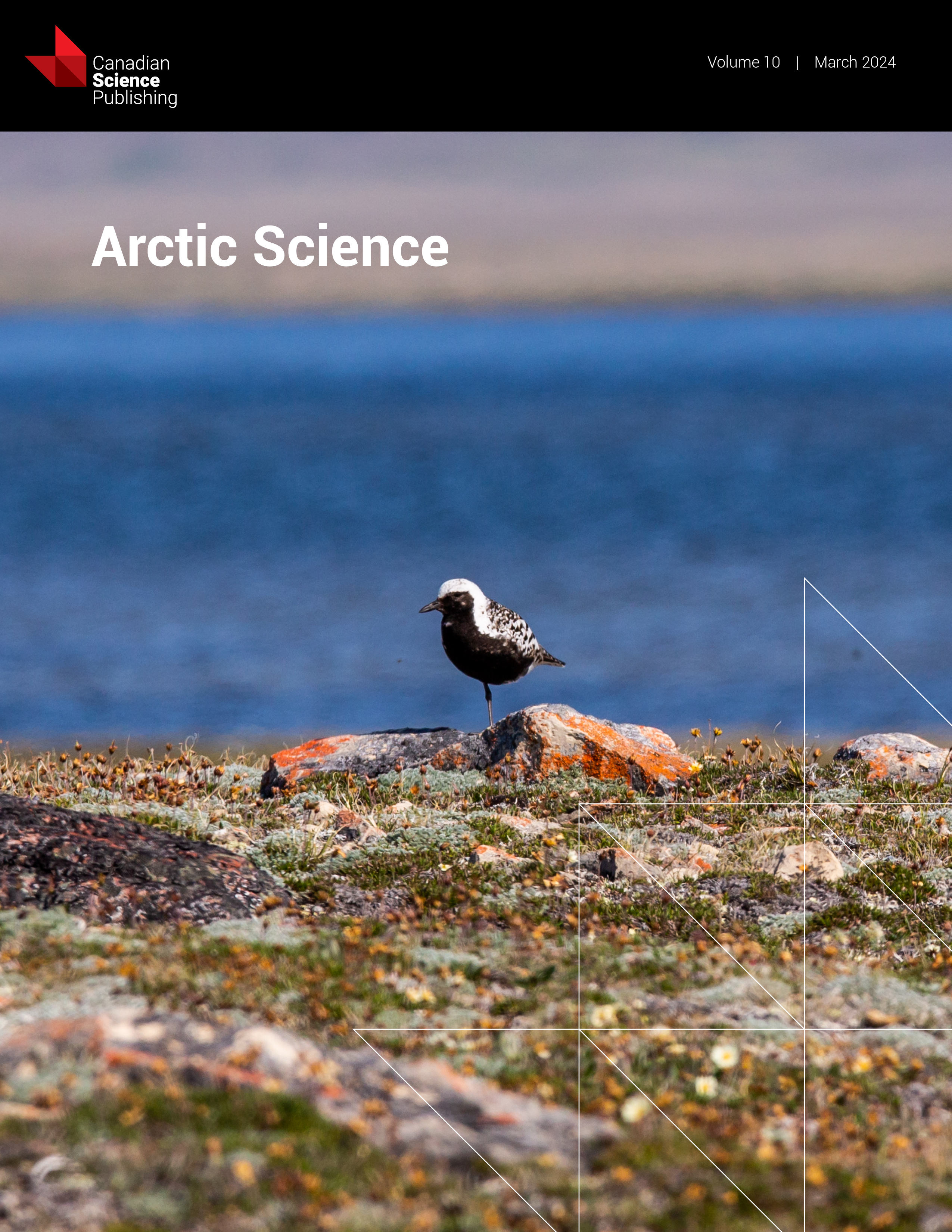
Learn about the current state of the literature on Arctic community-based monitoring and environmental decision-making in “Connecting community-based monitoring to Arctic environmental decision-making and governance: A systematic scoping review of the literature” by Dr. Nicole Wilson, Associate Professor with the Clayton H. Riddell Faculty of Environment, Earth and Resources and Canada Research Chair in Arctic Environmental Change and Governance, Elizabeth Worden, alumni Centre for Earth Observation Science (CEOS) and Grace O’Hanlon , UM Librarian.

Cover of an article showing the Arctic

For help finding resources on a specific topic, contact a subject librarian.